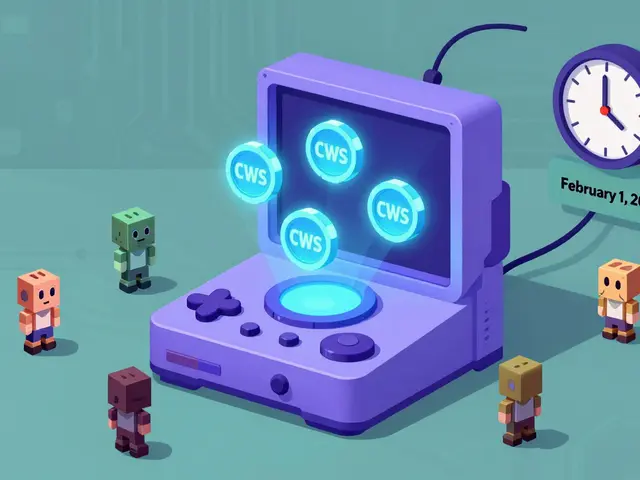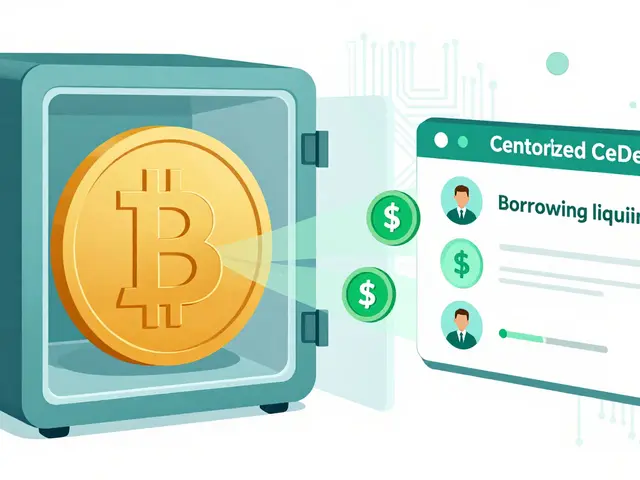

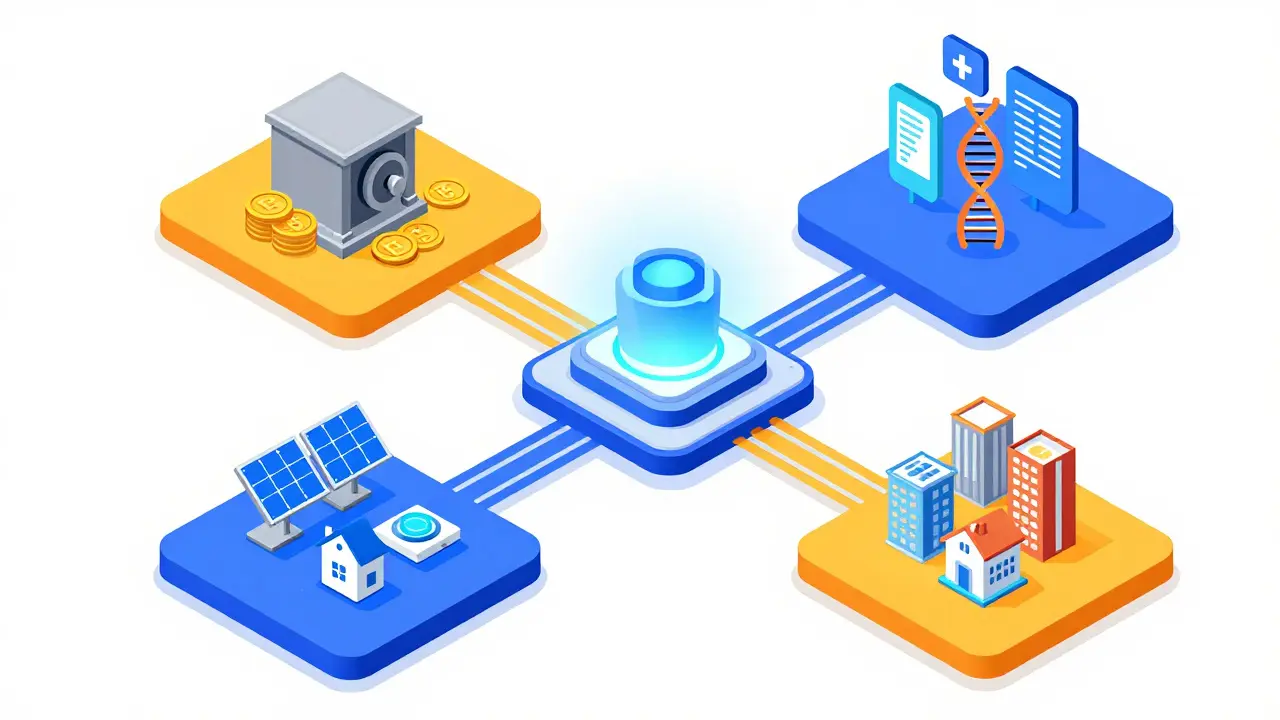
Remember when "blockchain" just meant Bitcoin? Those days are long gone. If you’re still looking at the space through that narrow lens, you’re missing out on a massive shift happening right now. In 2026, blockchain isn’t just about speculation; it’s about infrastructure. It’s in your supply chain, your medical records, and even how you trade energy with your neighbors. The global blockchain market is projected to hit $393 billion by the end of this forecast period, with some analysts eyeing a trillion-dollar valuation by 2032. But here’s the catch: not all sectors grow at the same speed, nor do they carry the same risks. Putting all your eggs in one basket-whether it’s crypto trading or a single enterprise solution-is a recipe for volatility. Diversifying across blockchain sectors is no longer optional if you want sustainable growth.
Why Sector Diversification Matters Now
You might be thinking, "Can’t I just buy an index fund and call it a day?" Sure, but blockchain is different from traditional markets because each sector operates under unique regulatory frameworks and adoption curves. One sector might be booming while another faces strict government crackdowns. By spreading your focus across multiple areas, you balance high-risk, high-reward plays (like emerging IoT tokens) with stable, revenue-generating industries (like banking and insurance).
The core idea is simple: reduce dependency on any single narrative. If the hype around decentralized finance (DeFi) cools down, your exposure to healthcare data management or supply chain logistics can keep your portfolio resilient. This approach mirrors smart investing in traditional tech, where you don’t just bet on software-you look at hardware, cloud services, and cybersecurity too. In blockchain, the "sectors" are defined by use cases rather than product types.
The Heavyweight: Banking, Financial Services, and Insurance (BFSI)
If you’re looking for stability and current market dominance, start here. The BFSI sector captured roughly 24% of the global blockchain market share in 2025. Why? Because banks have been using blockchain behind the scenes for years to streamline cross-border payments, verify identities, and manage collateral.
Traditional international transfers take days and cost a fortune in fees. Blockchain cuts that time to minutes and slashes costs significantly. Companies aren’t just talking about it; they’re doing it. For instance, major retailers like Newegg have integrated Bitcoin payments into dozens of country-specific stores, making digital assets a practical payment method for everyday consumers. Meanwhile, central banks worldwide are racing to launch their own digital currencies. Experts predict that up to 15 central banks could issue Central Bank Digital Currencies (CBDCs) by 2030. This institutional backing provides a layer of security that pure speculative projects lack.
What to watch: Look for established financial institutions partnering with blockchain firms. These partnerships signal real-world utility rather than vaporware. Keep an eye on regulations regarding CBDCs, as these will dictate how quickly traditional money merges with blockchain technology.
The Fastest Grower: Healthcare and Life Sciences
Healthcare is expected to be the fastest-growing blockchain sector through 2030. Think about the last time you switched doctors or hospitals. Did your records follow you instantly? Probably not. That’s a problem blockchain solves elegantly.
In this sector, blockchain creates a secure, immutable ledger for patient health data. It balances two conflicting needs: granting authorized access to doctors while keeping private information locked away from hackers. Unlike centralized servers that are honeypots for cyberattacks, distributed ledgers eliminate single points of failure. Post-pandemic digitalization pushes and strict data protection laws like GDPR have accelerated this adoption. Hospitals need a way to share data without violating privacy rights, and blockchain provides that audit trail.
Real-world example: Institutions are already testing closed blockchain systems where patients control who sees their data. If you’re investing or building in this space, focus on interoperability standards. The value isn’t just in storing data; it’s in making sure different hospital systems can read that data securely.
The Hidden Gem: Internet of Things (IoT) and Energy
This is where things get interesting-and slightly more technical. The IoT sector is anticipated to grow at a staggering Compound Annual Growth Rate (CAGR) of 46.56%. How does blockchain fit into smart fridges and connected cars? Microtransactions.
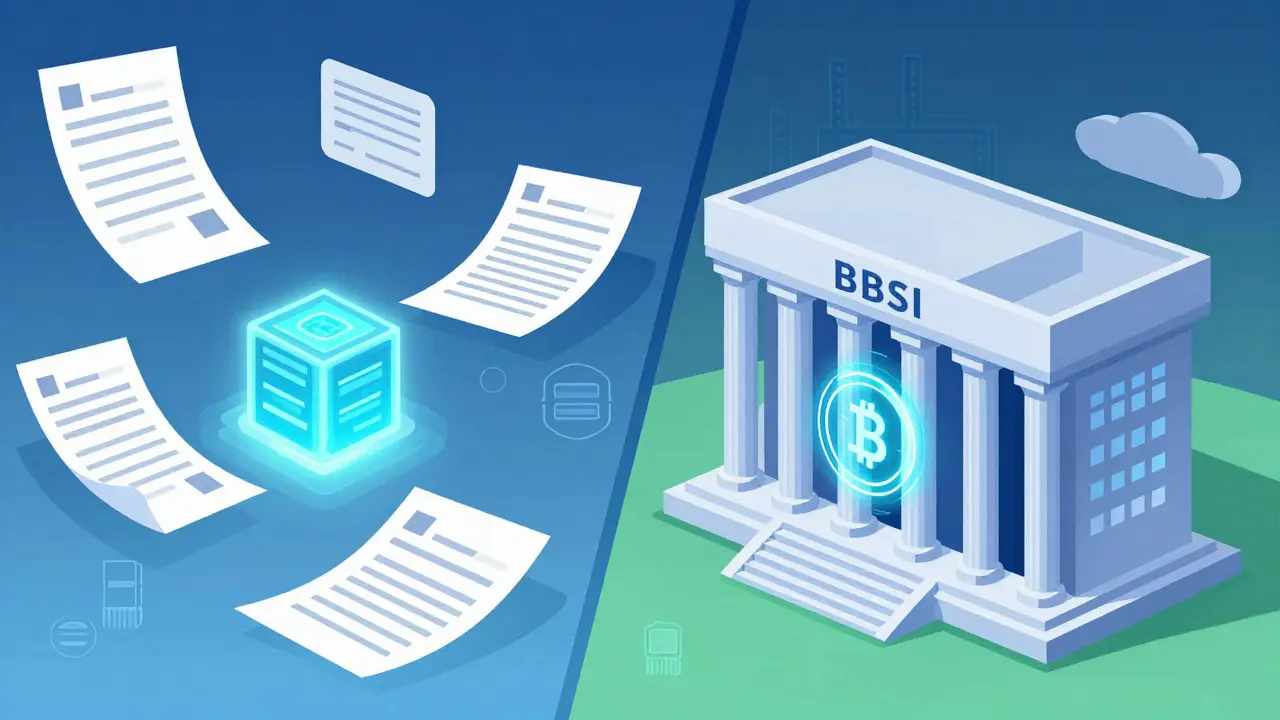
Imagine your electric car automatically paying for charging station usage via cryptocurrency the second it plugs in. Or your home selling excess solar power back to your neighbor’s grid using a tokenized system. Platforms like Powerledger are already enabling peer-to-peer energy trading, allowing users to sell renewable energy directly to others, increasing efficiency and cutting out middlemen. These automatic, small-scale transactions require a trustless, low-fee network-which is exactly what blockchain provides.
Why it matters: As billions of IoT devices come online, the volume of micro-transactions will explode. Traditional payment processors can’t handle millions of tiny payments efficiently. Blockchain can. This sector is less about buying coins and more about identifying companies building the infrastructure for machine-to-machine economy.
Supply Chain, Retail, and Real Estate
Transparency is the buzzword here. Consumers want to know where their food comes from, and investors want liquidity in illiquid assets. Blockchain delivers both.
In retail, the market is growing at a CAGR of 41.3%. Brands use blockchain to prove authenticity. Luxury goods, pharmaceuticals, and organic foods are prime targets. You scan a QR code, and the entire journey from factory to shelf is visible on an immutable ledger. This reduces fraud and builds consumer trust.
Real estate is undergoing a quiet revolution through tokenization. Buying property has always been slow, expensive, and exclusive. Tokenization breaks properties into digital fractions. Platforms like Atlant allow investors to buy small stakes in real estate, democratizing access and increasing liquidity. Governments in countries like Georgia and Sweden are even using blockchain for land registries to prevent fraud. This isn’t sci-fi; it’s happening now.
| Sector | Growth Driver | Risk Level | Key Application |
|---|---|---|---|
| BFSI | Cross-border payments, CBDCs | Low-Medium | Secure transactions, identity verification |
| Healthcare | Data privacy, GDPR compliance | Medium | Patient record management |
| IoT & Energy | Microtransactions, P2P trading | High | Automated device payments, energy grids |
| Real Estate | Tokenization, fractional ownership | Medium-High | Liquidity for illiquid assets |
How to Build a Diversified Strategy
So, how do you actually execute this? You don’t need to become a developer in every field. Start by understanding the underlying technology stack versus the application layer.
- Identify Your Risk Tolerance: If you’re conservative, stick to BFSI and established enterprise solutions. If you’re aggressive, explore IoT and early-stage DeFi protocols.
- Follow the Regulations: Regulatory clarity drives adoption. Sectors with clear legal frameworks (like banking) move slower but safer. Emerging sectors (like NFTs in art) face higher regulatory uncertainty.
- Look for Partnerships: Watch for collaborations between traditional giants and blockchain startups. When a major bank partners with a blockchain firm, it validates the technology.
- Diversify Asset Types: Don’t just hold cryptocurrencies. Consider equity in companies providing Blockchain-as-a-Service (BaaS), hardware manufacturers for mining nodes, or consulting firms specializing in blockchain integration.
The learning curve varies. Financial services require deep knowledge of compliance. Healthcare demands understanding of HIPAA and medical data standards. Supply chain needs logistics expertise. You don’t need to master all of them, but you should know enough to ask the right questions.
Common Pitfalls to Avoid
One mistake people make is confusing hype with utility. Just because a project uses the word "blockchain" doesn’t mean it needs it. Ask yourself: Does this problem truly require a decentralized ledger? Or would a standard database work better? Many projects fail because they over-engineered simple problems.
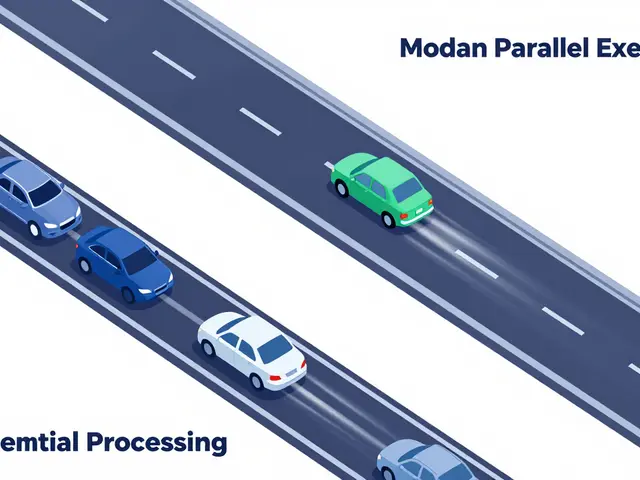
Another pitfall is ignoring scalability. Early blockchain networks struggled with transaction speeds. Today, Layer 2 solutions and newer consensus mechanisms have improved this, but you still need to evaluate whether a platform can handle the volume its sector demands. A healthcare system needs to process thousands of records per second without lagging.
Finally, beware of "greenwashing." Some companies claim to use blockchain for sustainability without proving it. Verify the actual implementation. Are they really reducing carbon footprints through efficient energy trading, or is it just marketing?
Is blockchain only for cryptocurrency investors?
No. While cryptocurrency was the first application, blockchain is now a foundational technology used in healthcare, supply chain, finance, and more. You can invest in blockchain through equities of companies building infrastructure, not just by holding digital assets.
Which blockchain sector is safest for beginners?
The Banking, Financial Services, and Insurance (BFSI) sector is generally considered the safest due to heavy regulation and established institutional adoption. It offers lower volatility compared to emerging sectors like IoT or DeFi.
How does blockchain help in healthcare?
Blockchain secures patient data by creating an immutable, decentralized ledger. This allows different healthcare providers to access accurate medical histories instantly while maintaining strict privacy controls and compliance with laws like GDPR and HIPAA.
What is tokenization in real estate?
Tokenization converts physical property rights into digital tokens on a blockchain. This allows investors to buy fractional ownership of properties, increasing liquidity and making real estate investment accessible to smaller budgets.
Will Central Bank Digital Currencies (CBDCs) replace cryptocurrencies?
Not necessarily. CBDCs are digital versions of fiat currency issued by governments, offering stability and regulation. Cryptocurrencies offer decentralization and privacy. They likely will coexist, serving different purposes in the financial ecosystem.
 Finance