
Remember the days when sending a simple trade on Ethereum felt like paying for a small car? You’d click 'swap,' watch your gas fee skyrocket to $50 or more, and wonder if you just bought air. That was the reality for most DeFi users until Layer 2 solutions started bridging the gap between speed and cost. Enter DeversiFi, now operating under the brand name Rhino.fi. This platform promises high-speed trading without the headache of network congestion fees. But does it actually deliver value in 2026, or is it just another relic from the 2021 bull run?
I’ve spent time digging into the mechanics of this exchange to see if it holds up against modern competitors. The short answer is that DeversiFi offers a unique blend of order-book trading and self-custody security, but its fee structure and liquidity levels require careful consideration before you deposit funds.
What Exactly Is DeversiFi (Rhino.fi)?
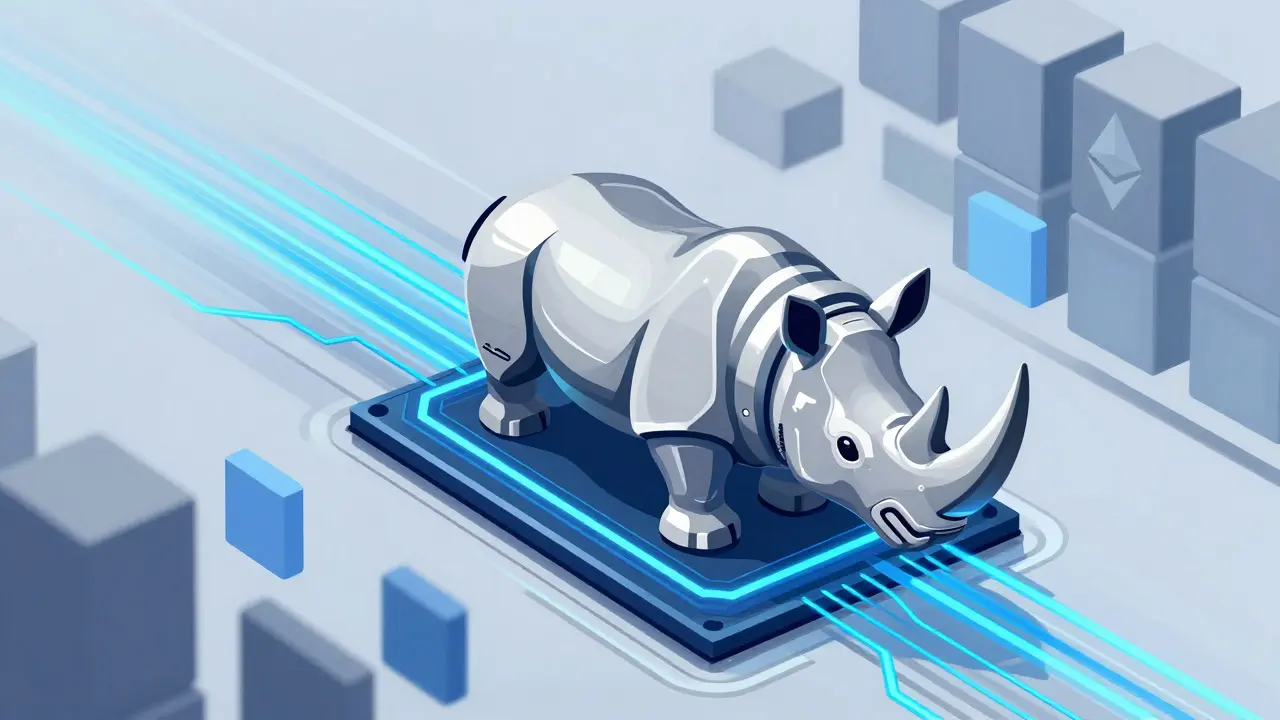
To understand where this platform fits, we need to look at what it isn’t. DeversiFi is not a centralized exchange like Binance or Coinbase. You don’t create an account with an email address, and they never hold your money. Instead, it is a decentralized exchange (DEX) built on top of Ethereum’s Layer 2 infrastructure. In recent years, the platform has rebranded to Rhino.fi, emphasizing its identity as a self-custodial hub where only you control access to your tokens.
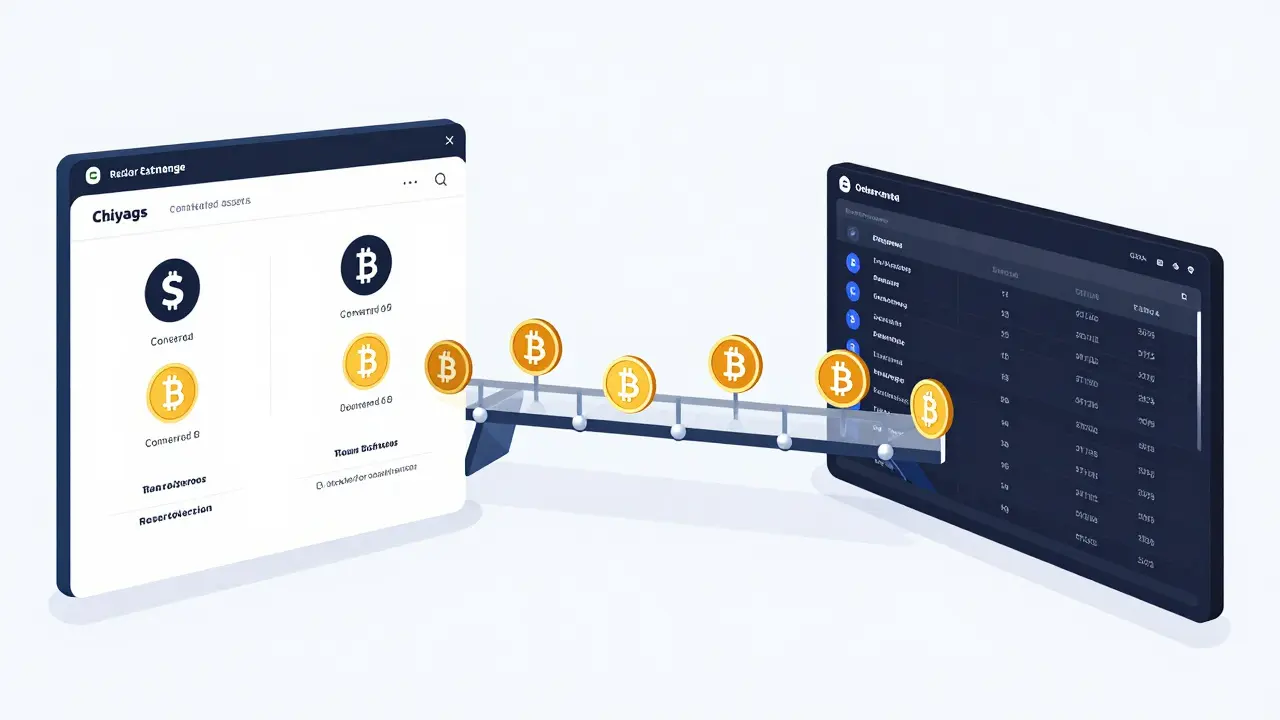
The core technology here relies on a "high-speed engine" capable of processing up to 9,000 transactions per second. This is significant because traditional Ethereum mainnet struggles to handle even 15-30 transactions per second during peak times. By offloading trades to Layer 2, DeversiFi allows you to swap, send, and yield farm without triggering those dreaded gas fees that usually eat into profits. However, there is a catch: you cannot buy crypto directly with dollars or pounds. Since it’s a non-custodial DEX, you must already own cryptocurrency and bridge it to the platform via a compatible wallet.
Fees and Costs: What Will It Actually Cost You?
Let’s talk about the numbers, because this is where many users get surprised. If you are coming from a background of using zero-fee DEX aggregators or low-cost centralized platforms, DeversiFi’s pricing model might feel steep. Here is the breakdown:
- Taker Fees: 0.25% per transaction. This applies when you execute a market order or take liquidity from the order book.
- Maker Fees: 0.10% per transaction. You pay this lower rate when you place limit orders that sit in the order book, adding liquidity.
Compare this to many other DEXs that charge 0% trading fees, and the difference is stark. A 0.25% taker fee is closer to what you might find on older centralized exchanges. However, context matters. When you factor in the savings from zero Ethereum gas fees-which can easily exceed $10-$50 per trade on mainnet-DeversiFi becomes competitive again, especially for frequent traders who bundle multiple actions.
Withdrawals tell a different story. The platform does not charge internal withdrawal fees. You only pay the minimal network fee required by the blockchain miners, which varies based on congestion. This structure is generally below the global industry average compared to both centralized exchanges (which often charge flat withdrawal fees) and some L1 DEXs.
Security: Why Self-Custody Matters More Than Ever
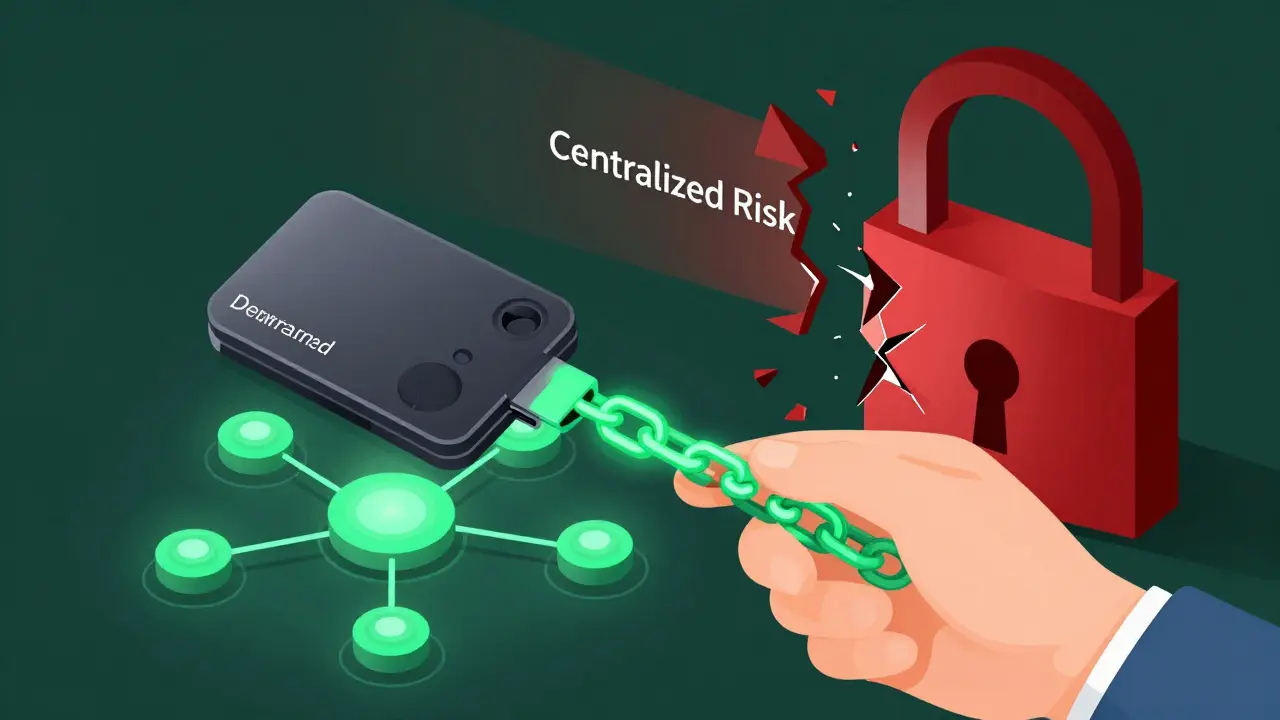
In the world of crypto, the phrase "not your keys, not your coins" isn't just a slogan; it's a survival guide. Centralized exchanges have repeatedly proven vulnerable to hacks, insider theft, and insolvency. Because DeversiFi operates as a non-custodial platform, it eliminates counterparty risk. The exchange never takes possession of your assets.
Here is how the security architecture works in practice:
- Distributed Infrastructure: Unlike centralized exchanges that rely on servers located in specific data centers, DeversiFi uses a distributed server network spread globally. Disabling one node has minimal impact on the overall system, making downtime rare.
- Private Wallet Control: You connect your personal wallet (like MetaMask or Ledger) to trade. Even if hackers breached DeversiFi’s interface, they would find no funds to steal. Your assets remain locked in your private wallet until you explicitly sign a transaction to move them.
- No Fiat Exposure: Because the platform doesn’t accept fiat currency deposits, it falls outside many regulatory frameworks that target centralized entities holding user cash. This also means US-based investors can participate freely, unlike on many restricted CEXs.
This design makes DeversiFi virtually immune to the type of catastrophic fund loss seen at major centralized exchanges. However, it shifts the responsibility of security entirely to you. If you lose your seed phrase, no support team can recover your funds.
Liquidity and Trading Volume: The Real Bottleneck
High speed and low fees mean nothing if you can’t find anyone to trade with. Liquidity is the lifeblood of any exchange. Historical data shows DeversiFi had a strong start, with 24-hour trading volumes jumping from $1.1 million in early 2021 to over $17 million by late 2021. But markets change.
As of early 2026, the landscape has shifted. While the platform aggregates liquidity from various markets and uses Automated Market Makers (AMMs) to facilitate smooth trades, its order books are still thinner than those of giants like Uniswap or centralized leaders. For major pairs like ETH/USDC, slippage is usually manageable. But if you are looking to trade smaller altcoins or execute large block orders, you may face wider spreads.
The native token, DVF, reflects this niche position. With a circulating supply of roughly 24.15 million tokens out of a maximum 100 million, and a market cap hovering around $6.93 million, it is a micro-cap asset. Traders should be aware that lower liquidity can lead to price volatility, particularly during high-volume market events.
Who Should Use DeversiFi? (And Who Should Avoid It)
Not every tool is right for every job. Based on its features, fee structure, and technical requirements, here is a quick decision matrix:
| User Profile | Verdict | Reasoning |
|---|---|---|
| Crypto Beginner (No existing holdings) | Avoid | You cannot deposit fiat. You need an entry-level CEX first. |
| Active Day Trader | Mixed | 0.25% taker fees are high. Only use if gas savings outweigh this cost. |
| Security-Conscious Holder | Recommended | Self-custody and L2 speed offer excellent protection and UX. |
| Yield Farmer | Recommended | Access to DeFi yields without complex smart contract interactions. |
| US-Based Investor | Recommended | No geographic restrictions due to non-custodial nature. |
If you are a casual investor who trades once a month, the friction of connecting wallets and understanding Layer 2 bridges might not be worth it. But if you are someone who wants to stay in the DeFi ecosystem without constantly worrying about exchange solvency or exorbitant gas spikes, DeversiFi provides a streamlined middle ground.
How to Get Started: A Practical Guide
Since there is no signup form, getting started is purely technical. Here is the step-by-step process to begin trading:
- Prepare Your Wallet: Ensure you have a compatible Web3 wallet installed (e.g., MetaMask, Rainbow, or a hardware wallet like Ledger). Make sure it supports Ethereum Layer 2 networks.
- Acquire Crypto: Buy ETH or stablecoins on a centralized exchange that accepts fiat (like Coinbase or Kraken).
- Bridge Funds: Transfer your crypto to the DeversiFi/Rhino.fi Layer 2 network. This may involve using a bridge service depending on your current chain location.
- Connect to Platform: Visit the DeversiFi website and click "Connect Wallet." Approve the connection request in your wallet app.
- Deposit Assets: Move your tokens into the DeversiFi smart contract vault. This is a one-time setup for each asset type.
- Trade: Navigate to the trading view. You will see price charts, order placement boxes, and your history. Place limit orders to benefit from the lower 0.10% maker fee.
The interface is designed to be straightforward, displaying your entire portfolio with one click. You can also explore yield farming opportunities directly from the dashboard, earning interest on idle assets without leaving the platform.
Alternatives to Consider
While DeversiFi has its strengths, the DeFi space is crowded. Depending on your specific needs, other platforms might serve you better:
- Uniswap: The largest DEX by volume. Better liquidity for obscure tokens, but higher gas fees on mainnet (though V3 and L2 integrations are improving this).
- dZap: Focuses on batch trading, allowing you to swap multiple tokens in a single transaction. Great for efficiency if you rebalance portfolios frequently.
- Lattice Exchange: A newer entrant focused on settlement confidence and advanced trading tools, representing the next evolution in DeFi interfaces.
Each of these alternatives has trade-offs. Uniswap offers depth but complexity. dZap offers speed but less focus on order-book precision. DeversiFi sits in the middle, offering a familiar order-book experience with the safety of decentralization.
Is DeversiFi safe to use in 2026?
Yes, DeversiFi is considered highly secure because it is a non-custodial decentralized exchange. The platform never holds your funds; they remain in your private wallet. Additionally, its Layer 2 architecture distributes server load globally, reducing the risk of downtime or targeted attacks compared to centralized exchanges.
Why did DeversiFi change its name to Rhino.fi?
The rebranding to Rhino.fi emphasizes the platform's core value proposition: self-custody. The rhino symbolizes strength and independence, reflecting the idea that users maintain full control over their assets through their private keys, rather than relying on a central authority.
Can I buy Bitcoin or Ethereum with USD on DeversiFi?
No. As a decentralized exchange, DeversiFi does not accept fiat currency deposits. You must first acquire cryptocurrency on a centralized exchange (like Coinbase or Binance) and then transfer those assets to DeversiFi via a compatible wallet.
Are there gas fees on DeversiFi?
No, there are no Ethereum network gas fees for trading on DeversiFi. Because it operates on Layer 2, all swaps, sends, and investments are executed without paying traditional gas costs to miners. You only pay the platform's trading fees (0.10% for makers, 0.25% for takers).
Is DeversiFi available for users in the United States?
Yes. Because DeversiFi is a non-custodial DEX that does not hold user assets or accept fiat, it is not subject to the same regulatory restrictions as centralized exchanges. US-based investors can connect their wallets and trade freely.
What is the DVF token used for?
The DVF token is the native governance and utility token of the DeversiFi ecosystem. While primarily used for community governance decisions, holding DVF can sometimes provide benefits such as reduced fees or access to exclusive yield farming pools, depending on current platform incentives.
How does DeversiFi compare to Uniswap?
Uniswap is an Automated Market Maker (AMM) with deep liquidity but often higher gas fees on mainnet. DeversiFi uses an order-book model on Layer 2, offering zero gas fees and a more traditional trading interface. DeversiFi is better for users who prefer limit orders and want to avoid gas volatility, while Uniswap is better for accessing a wider range of exotic tokens.
 Finance