


Hunting for airdrops often feels like looking for a needle in a haystack, especially when you come across a project like Zerogoki is an experimental leveraged token minting platform deployed on the Ethereum blockchain. Also known as the "Unit-00" project, it serves as a stress test for more complex financial systems. If you've heard whispers about an REI tokens airdrop and started digging, you've probably noticed something strange: the data doesn't seem to add up. Most trackers show zero volume and zero supply. Before you spend hours trying to find a claim button that might not exist, let's clear up exactly what this project is and why the airdrop details are so elusive.
The Reality of the REI Token Airdrop
Here is the bottom line: as of today, there is no active, verified airdrop schedule or claiming portal for the REI Token associated with Zerogoki. While the crypto world loves to speculate about "upcoming drops," the actual metrics from platforms like CoinMarketCap and Binance show a circulating supply of zero. In plain English, the tokens aren't moving because they haven't been distributed to the public yet, or the project is operating in a closed experimental loop.
Why the confusion? In the crypto space, several projects use the same ticker. You might see people talking about the REI Network, which is a completely separate blockchain focusing on fast transactions and staking rewards. If you see an airdrop mentioned for "REI" but it talks about 3-second block times and high TPS, you're looking at the wrong project. Zerogoki's REI is a prototype tool, not a wide-scale network.
What Exactly is Zerogoki?
To understand why an airdrop might not be happening in the traditional sense, you have to understand the project's DNA. Zerogoki isn't trying to be the next big consumer app. It's a pilot project derived from the Duet Protocol, specifically using its Lite-minting module. Think of it as a laboratory. The developers deliberately launched it on the Ethereum mainnet-not because they love paying high gas fees, but to see if the system can survive the harshest, most expensive environment possible.
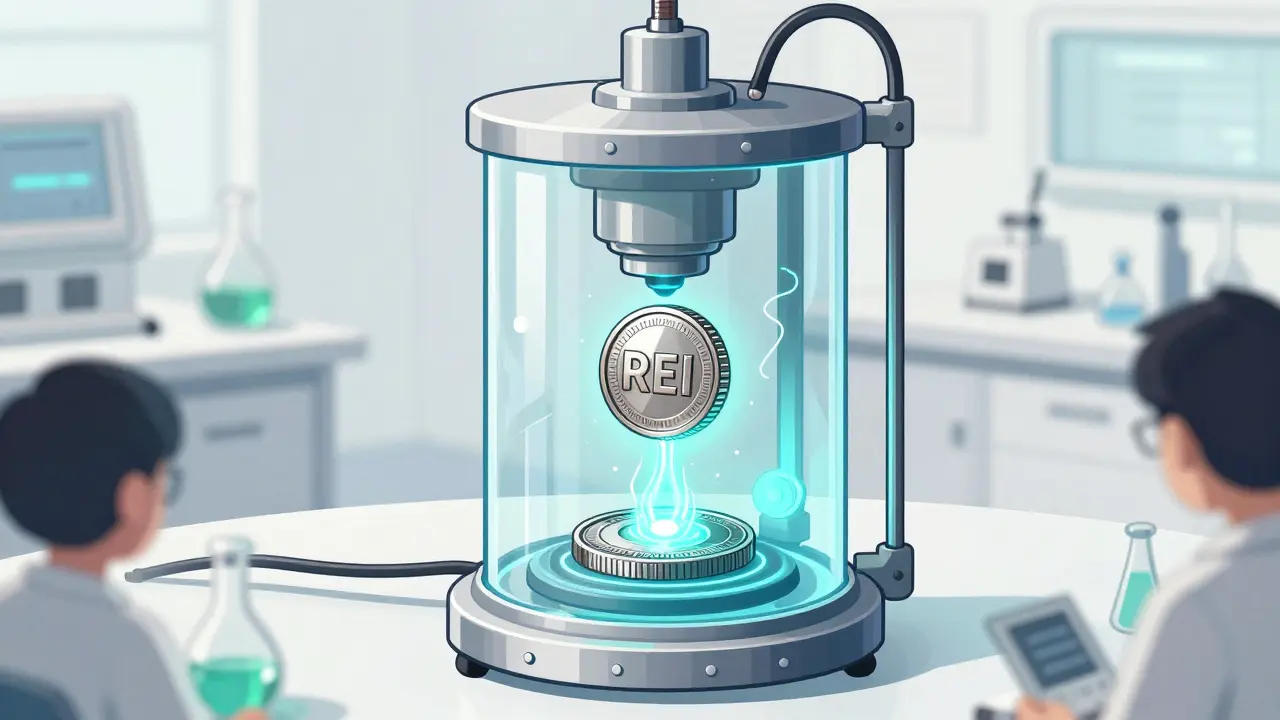
The project focuses on algorithmic pegging. It allows users to create leverage tokens for traditional assets like gold, foreign exchange, and government bonds. To create these synthetic assets, the system requires the destruction of the protocol's native asset, REI. This means the token isn't just a reward to be held; it's a fuel source for the minting process.
| Feature | Zerogoki (REI) | Typical Airdrop Project |
|---|---|---|
| Primary Goal | Stress-testing/Experimental | User Acquisition/Growth |
| Network Choice | Ethereum (High Cost) | L2s or Solana (Low Cost) |
| Token Utility | Burned for synthetic assets | Governance or Speculation |
| Public Availability | Limited/Prototype | Wide Public Distribution |
How the REI Ecosystem Works
If the project ever moves out of its experimental phase, the distribution of REI will likely be tied to its function within the zUSD (synthetic dollar) ecosystem. In this model, you don't just "get" tokens; you interact with the protocol to earn them or use them to cast leverage tokens.
The system is designed so that volatile leverage tokens are used to put pressure on the system. By choosing assets that swing wildly in price, the developers can see if the algorithmic pegging holds up. For a user, this means that any potential "airdrop" would likely be a reward for providing liquidity or participating in these high-stress tests rather than just holding a wallet.
Red Flags and Safety Tips for Airdrop Hunters
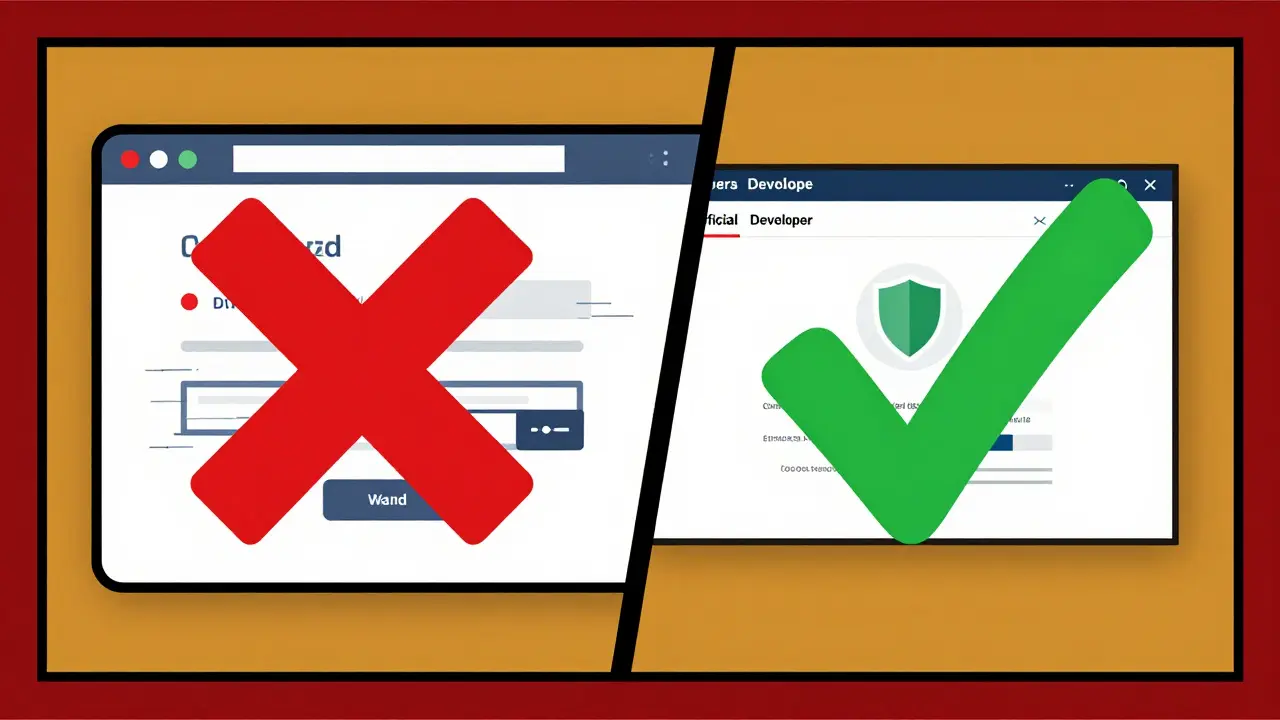
Because there is so much mystery around Zerogoki and the REI token, it is the perfect breeding ground for scammers. If you see a website claiming to be the "Official REI Airdrop Portal" asking you to connect your wallet or provide your seed phrase, run the other way. Real airdrops from experimental protocols are usually announced through official developer channels or integrated directly into the protocol's dashboard.
- Never share your private keys: No legitimate project, even an experimental one like Zerogoki, will ask for your recovery phrase.
- Verify the Contract Address: Always check the token contract on Etherscan. If the supply is zero on official trackers, any token appearing in your wallet claiming to be "REI」 is likely a fake.
- Ignore "Urgent" DMs: If someone on Telegram or Discord tells you that you have 24 hours to claim your REI tokens, it's a scam.
What to Watch For Next
Since Zerogoki is a research-oriented initiative, its path won't follow the typical "hype-then-launch" cycle. Instead of looking for airdrop dates, keep an eye on the development of the Duet Protocol. Because Zerogoki is essentially a child project of Duet, any breakthroughs in the parent system's minting modules will likely dictate when REI tokens become active and distributable.
If you're interested in leveraged tokens and synthetic assets, studying how Zerogoki handles its algorithmic pegging is more valuable than chasing a phantom airdrop. Understanding the relationship between the burned REI and the minted zUSD gives you a peek into the future of DeFi architecture.
Is the Zerogoki REI airdrop real?
Currently, there is no official, active airdrop for Zerogoki's REI tokens. Most market data shows zero circulating supply, meaning tokens have not been distributed to the public.
How is Zerogoki different from the REI Network?
They are completely unrelated. REI Network is a standalone blockchain focusing on speed and staking. Zerogoki is an experimental leveraged token platform on Ethereum that uses the ticker REI for its internal prototype token.
What happens if I find REI tokens in my wallet?
Since the official supply of Zerogoki's REI is currently zero on major trackers, any tokens appearing unexpectedly in your wallet are likely "dust" or scam tokens designed to lure you to a fraudulent website. Do not interact with unknown contracts.
What is the purpose of the REI token in Zerogoki?
The REI token acts as a mechanism for the platform. It is specifically designed to be destroyed (burned) in order to generate synthetic assets like zUSD or other leveraged tokens.
Why is the project on Ethereum if it's so expensive?
The developers chose the Ethereum mainnet specifically to test the protocol's stability and functionality under "harsh" conditions, such as high transaction costs and network congestion.
 Finance

Amanda Faust
April 11, 2026 AT 00:02obviously just a stress test for the duett protocol and people actually think there is free money here lol
James Bone
April 12, 2026 AT 12:27The sheer audacity of people chasing these phantom drops is peak crypto. It is the ultimate manifestation of greed over intelligence. We live in a cycle where the most naive are the ones trying to 'game' a system that is literally designed as a laboratory experiment. It is almost poetic how the desire for a free lunch leads people straight into the arms of scammers. The moral decay of the current DeFi landscape is honestly staggering because nobody cares about the tech, they just want the ticker to go up. This isn't investing, it is digital gambling for the desperate. I find it hilarious that anyone thinks a prototype on the most expensive chain is a 'growth' strategy. Just admit you want a miracle and move on from this delusion.
Jessie Tayaban
April 12, 2026 AT 22:17OMG i almost fell for one of those fake sites!! thank goodness for this post!!
Seriously my heart was racing thinking i missed out on somthing huge!!
daniella davis
April 13, 2026 AT 07:18pleeze... anyone with a basic understanding of liquidity knows this is just a toy project. it's like bragging about owning a share of a lemonade stand in a simulation
Artavius Edmond
April 13, 2026 AT 15:49Good heads up on the REI Network confusion. That's a super common mistake in this space.
william manes
April 13, 2026 AT 16:12Scam alert! 🚨 Stay away from this garbage! 🗑️ US tech is better anyway! 🇺🇸
Emily H
April 13, 2026 AT 20:12It is indeed prudent to exercise extreme caution when encountering such experimental protocols. I would suggest that interested parties monitor the official Duet Protocol documentation for authentic updates.
Heather Warren
April 15, 2026 AT 05:36This is a great way to learn about how synthetic assets work! Just follow the safety tips and you'll be fine.
Tracie and Matthew Hartley
April 16, 2026 AT 18:00idk why everyone is so scared... maybe the airdrop is just hidden for a reason lol
Rebecca Violette
April 17, 2026 AT 02:39i feel like im always the last one to find out about these things and now im just sad itz a scam
jennelle williams
April 17, 2026 AT 23:07just be patient and stay safe
Aaliyah BROTHERS
April 19, 2026 AT 13:41THEY ARE HIDING THE TRUTH!!! Why the mainnet??? It is a trap to drain our gas fees for the global elite!!!! Open your eyes people!!! 👁️
Hope Johnson
April 20, 2026 AT 13:06When we consider the nature of Zerogoki, we are not merely looking at a financial product, but rather a philosophical inquiry into the stability of value itself within a digital void. To chase a token is to misunderstand the dance between the burn and the mint, a cycle that mirrors the very essence of creation and destruction in our own physical reality, suggesting that perhaps the true reward is the knowledge gained from observing the system's failure or success rather than the accumulation of a digital asset that may never have existed for the masses in the first place.
aletheia wittman
April 21, 2026 AT 07:55absolutey ridiculuous that people even try to claim this lol
Adam Auksel
April 22, 2026 AT 13:52Always double check those contract addresses folks! 🔍 Stay safe out there! 🚀
Prasanna Shembekar
April 23, 2026 AT 08:05so sad my wallet is empty again
Lauren Abrams
April 25, 2026 AT 06:14Interesting prototype. I'll keep an eye on the Duet Protocol developments.