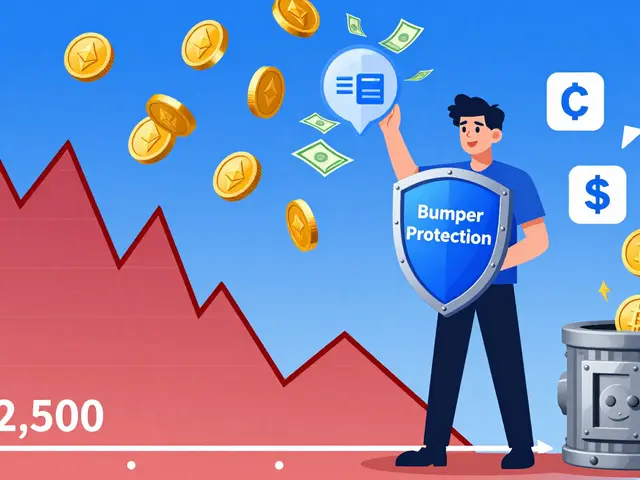

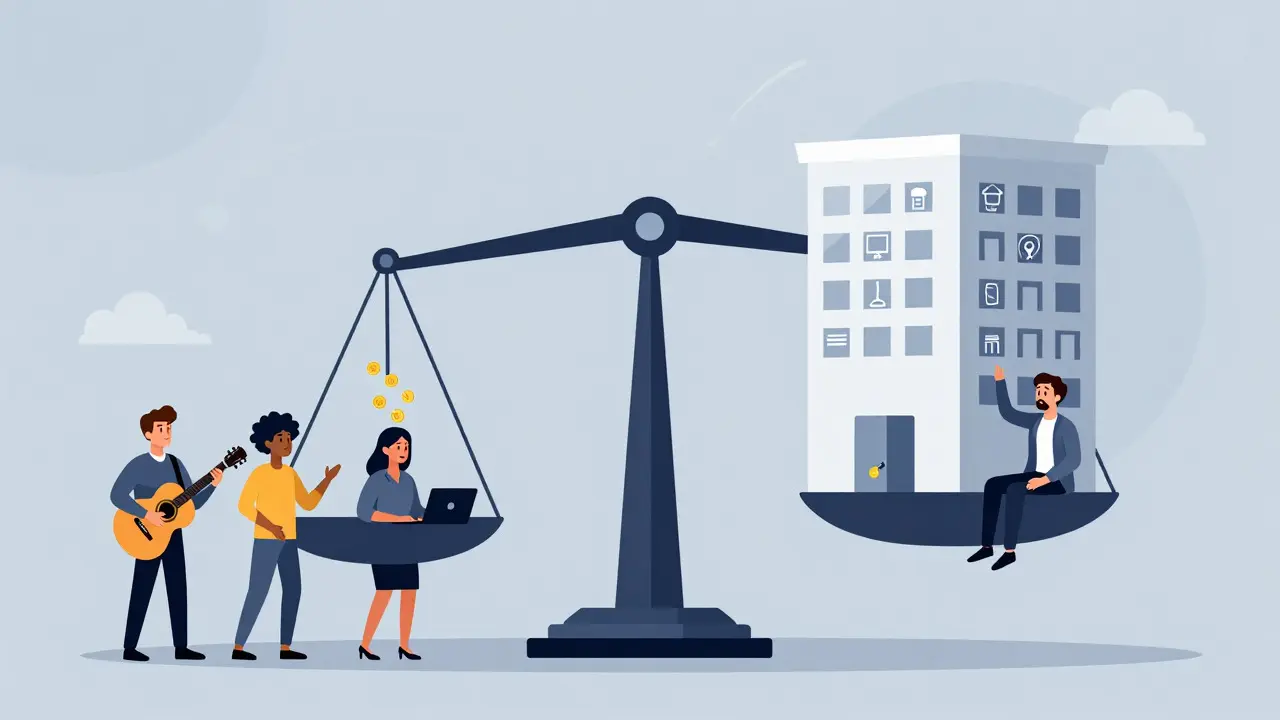
Imagine spending weeks crafting a video, writing an article, or producing music, only to watch a platform take half-or even ninety percent-of your earnings. For most digital creators, this is the daily reality on centralized platforms like YouTube, Instagram, and X (formerly Twitter). But there is a shifting tide in how we think about online income. Enter the Blockchain Creator Economy, defined as a decentralized system that uses blockchain technology to allow creators to earn money directly from their audience without traditional intermediaries. This model doesn't just tweak the existing rules; it rewrites them by encoding ownership and fairness into the code itself.
The core promise here is simple: you create, you own, you get paid. No middlemen taking massive cuts, no opaque algorithms hiding your reach, and no waiting months for payouts. Instead of relying on corporate promises, this ecosystem relies on transparent, unchangeable code. If you are curious about whether this is just another tech buzzword or a genuine opportunity for better income, keep reading. We will break down exactly how it works, why it matters, and what you need to know to get started.
How the Blockchain Creator Economy Works
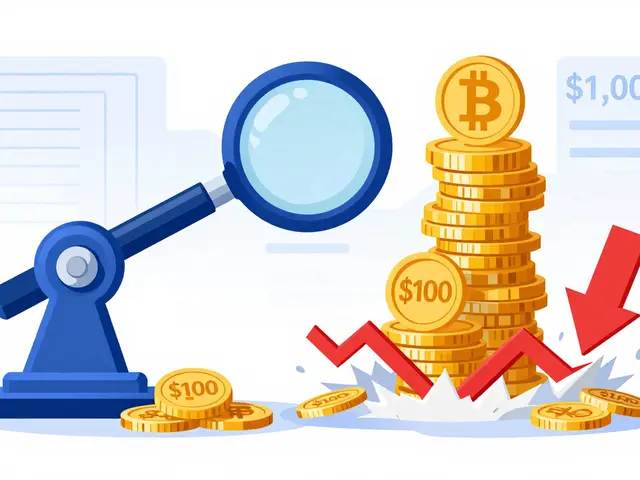
To understand the shift, you first need to see how traditional platforms operate. When you post on Instagram or upload to YouTube, you are essentially renting space on someone else's property. The platform owns the data, controls the distribution, and sets the revenue share. They often retain 30% to 50% of ad revenue, and on social media giants like X or Instagram, creators sometimes capture less than 1% of the total value generated because the platforms monetize user attention through ads rather than direct payments.
The blockchain creator economy flips this script. It operates on three main pillars:
- True Ownership: Your content isn't just hosted on a server owned by a corporation. It is recorded on a distributed ledger, meaning you have cryptographic proof of ownership.
- Permissionless Participation: You don't need approval from a gatekeeper to start earning. Anyone with an internet connection can join.
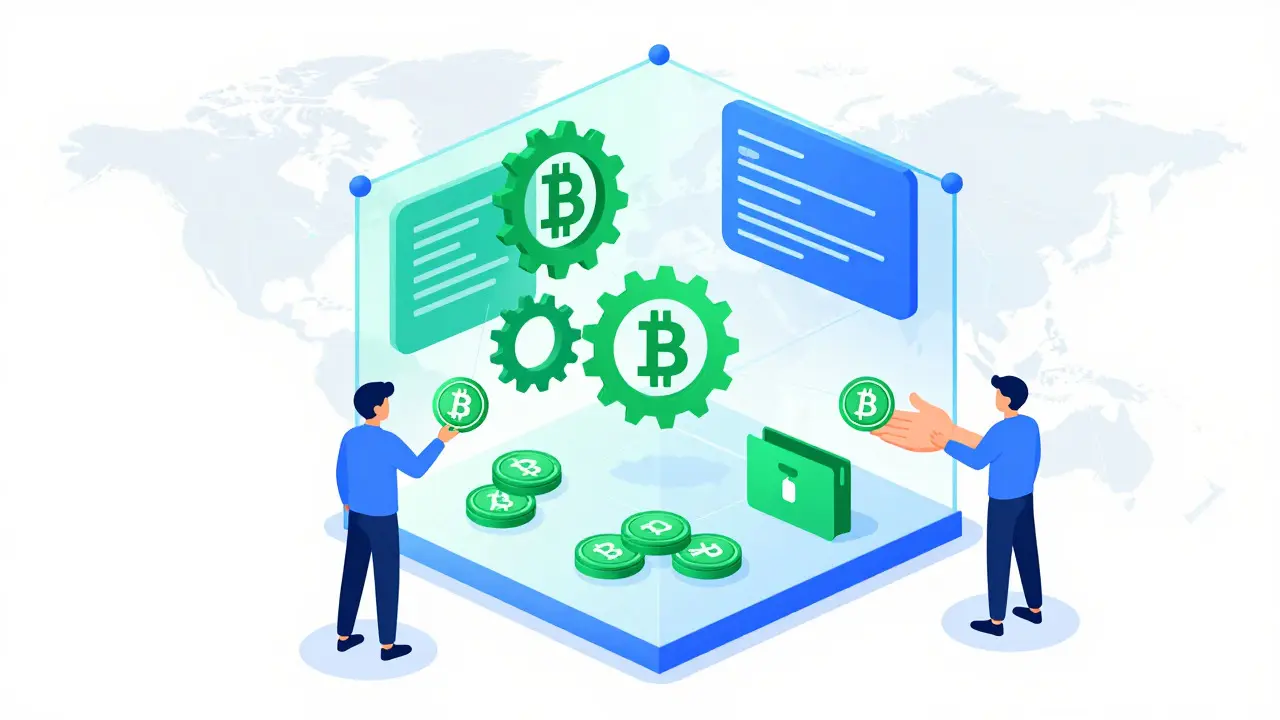
- Automated Payments: Smart contracts handle the money. These are self-executing codes that release funds automatically when certain conditions are met, such as a fan buying a piece of art or streaming a song.
Think of it like moving from a landlord who takes a huge cut of your rent to owning your own home. You still have maintenance costs, but the equity stays with you. In this model, tools like cryptocurrency wallets act as your personal bank account, aggregating income from various sources into one place. Non-fungible tokens (NFTs) turn your digital work into scarce, tradable assets. This scarcity creates real value because fans can prove they own a specific copy of your work, not just access it temporarily.
Why Creators Are Switching to Blockchain
The financial incentives are hard to ignore. Traditional platforms thrive on high "take rates." For example, while YouTube splits ad revenue roughly 55/45 in favor of creators, many social networks take nearly 100% of the value generated by users since they don't pay creators directly at all. In contrast, blockchain-based platforms typically charge fees between 1% and 2.5%. Where does the rest go? To you.
Consider the case of musicians. In the traditional industry, getting paid for a sample or a secondary sale can take years, if it happens at all. With blockchain, every time your song is resold or sampled, a smart contract instantly sends your royalty percentage to your wallet. There are no accounting departments delaying checks. This transparency means you always know exactly how much you earned and when.
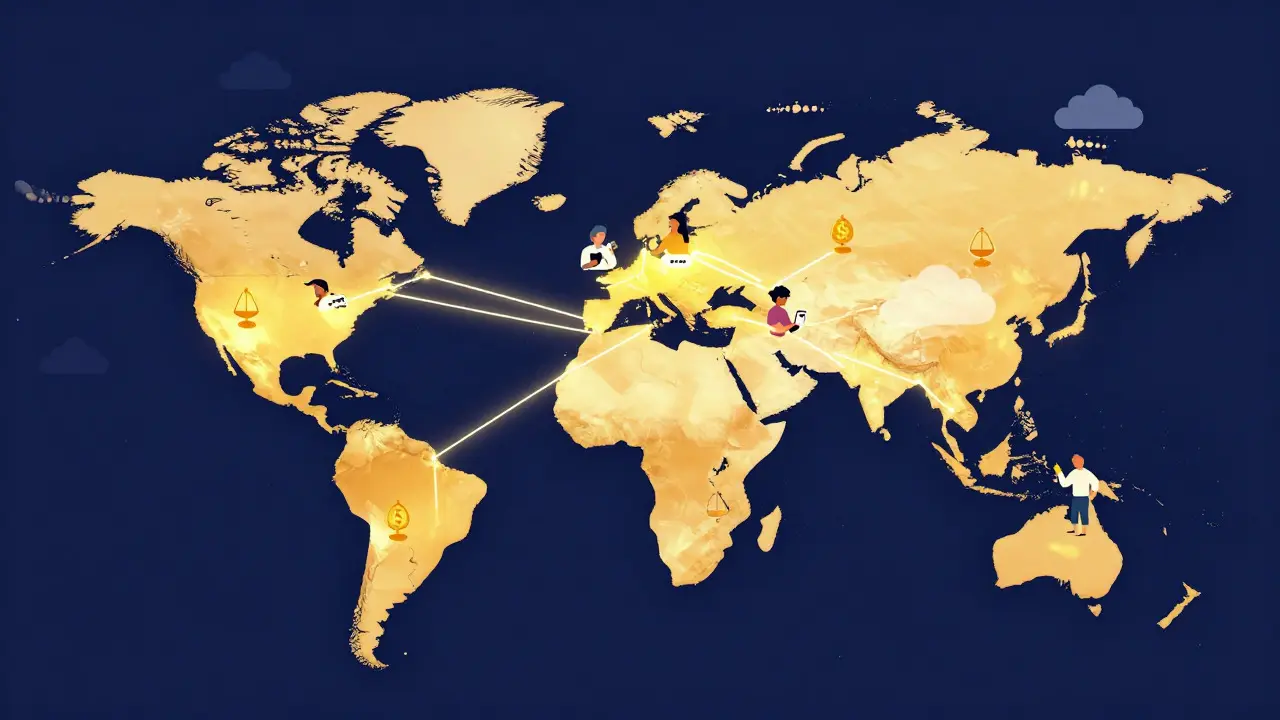
Beyond money, there is the issue of accessibility. Millions of creators live in regions where banking infrastructure is weak or nonexistent. Traditional payment processors often refuse to serve these areas due to compliance costs or lack of local presence. Blockchain requires nothing more than a smartphone and an internet connection. Stablecoins-cryptocurrencies pegged to stable assets like the US dollar-allow creators in countries with volatile currencies to receive payments in a reliable medium of exchange. This has been particularly transformative for creators in the Global South, where adoption has surged by over 200% year-over-year according to recent reports.
Key Technologies Powering the Shift
You don't need to be a computer scientist to use these tools, but understanding the basics helps demystify the process. Here are the essential components:
| Component | Function | Benefit to Creator |
|---|---|---|
| Cryptocurrency Wallet | Stores private keys and manages transactions | Acts as a universal bank account; full control over funds |
| Smart Contracts | Self-executing code on the blockchain | Automates payments and royalties without intermediaries |
| NFTs (Non-Fungible Tokens) | Unique digital certificates of ownership | Enables scarcity, provenance, and resale royalties |
| Stablecoins | Crypto pegged to fiat currency (e.g., USDC) | Reduces volatility risk for daily earnings |
Cryptocurrency Wallets are your entry point. Apps like MetaMask or Phantom allow you to store your digital assets securely. Unlike a bank account, you hold the keys. If you lose them, there is no customer support to call, so security is paramount. Smart Contracts are the engines behind the scenes. Imagine a vending machine: you put in money, and it dispenses a snack. No clerk needed. Similarly, when a fan buys your NFT, the smart contract detects the purchase and immediately transfers the funds to your wallet while transferring ownership to the buyer. NFTs provide the mechanism for selling unique digital items. Whether it's a limited-edition photo series or exclusive access to a newsletter, NFTs verify that the buyer holds the original token. Finally, Stablecoins like USDC bridge the gap between crypto and traditional finance. They offer the speed and low fees of blockchain without the price swings of Bitcoin or Ethereum, making them ideal for receiving monthly subscriptions or tips.
Challenges and Realities to Consider
It would be dishonest to present this as a flawless utopia. The blockchain creator economy is still maturing, and there are hurdles. The biggest barrier is the learning curve. Setting up a wallet, understanding gas fees (transaction costs), and managing private keys can feel overwhelming for beginners. Surveys indicate that nearly 70% of new creators struggle with initial setup, and transaction errors are common in the first month. You need to be comfortable with some technical troubleshooting.
Volatility is another concern, though stablecoins mitigate this significantly. If you choose to accept payments in volatile cryptocurrencies like Ethereum, your income could fluctuate wildly day-to-day. Regulatory uncertainty also looms. Laws regarding crypto assets vary widely by country. The European Union's MiCA framework provides clearer guidelines, but other regions remain fragmented. Creators must stay informed about tax implications and legal requirements in their jurisdiction.
Finally, audience education is required. Your fans might not understand how to buy an NFT or send crypto. You will need to guide them, which adds a layer of complexity to your marketing efforts. However, platforms are improving user interfaces rapidly, making these processes smoother for non-technical users.
Getting Started: A Practical Roadmap
If you are ready to explore this space, here is a step-by-step approach to minimize friction:
- Choose a Wallet: Download a reputable wallet app like MetaMask (for Ethereum-compatible chains) or Phantom (for Solana). Back up your seed phrase offline. Never share it with anyone.
- Select a Platform: Research blockchain creator platforms that fit your niche. Some focus on music, others on visual art or writing. Look for those with low fees and strong community support.
- Fund Your Wallet: Buy a small amount of cryptocurrency or stablecoins to cover initial transaction fees. Gas fees can range from $0.50 to $5 depending on network congestion.
- Create Your First Asset: Mint an NFT of your work. Start simple-a single image or a short audio clip. Test the process with a low-value item to ensure you understand the workflow.
- Educate Your Audience: Explain why you are using blockchain. Highlight benefits like direct support, exclusive perks, or ownership rights. Provide clear guides on how they can participate.
Expect to spend 2-3 weeks becoming proficient with basic operations. Join Discord communities or follow tutorial channels to troubleshoot issues. Many successful creators started with just one NFT drop and built from there. The key is consistency and patience.
The Future of Digital Creation
We are witnessing a fundamental restructuring of how value flows online. As artificial intelligence integrates with blockchain, new models are emerging. AI-generated content can now carry embedded royalties, ensuring that both human creators and AI developers are compensated fairly. By 2028, analysts predict that blockchain platforms will capture nearly 20% of the overall creator economy market share.
This isn't just about higher percentages; it's about sustainability. When creators own their relationships with fans and control their revenue streams, they build resilient businesses rather than dependent accounts. The blockchain creator economy offers a path toward true independence. It rewards creativity directly, eliminates exploitative middlemen, and opens doors for creators worldwide who were previously locked out of the global digital marketplace. The technology is complex, but the goal is simple: fair pay for great work.
Is the blockchain creator economy safe for beginners?
It can be, but it requires caution. The technology itself is secure, but user error is the biggest risk. Always back up your wallet seed phrase offline, never click suspicious links, and start with small amounts of money. Use reputable platforms and wallets, and educate yourself on basic security practices before committing significant funds.
Do I need to understand coding to use blockchain platforms?
No. Modern blockchain creator platforms are designed for non-technical users. You interact with user-friendly interfaces similar to traditional websites. The smart contracts run in the background automatically. While understanding the basics helps, you do not need to write code to mint NFTs or receive payments.
How do taxes work in the blockchain creator economy?
Taxes depend on your local jurisdiction. Generally, income earned from sales or royalties is taxable. Cryptocurrency transactions may also trigger capital gains taxes if you convert crypto to fiat or trade one crypto for another. Keep detailed records of all transactions and consult a tax professional familiar with digital assets in your country.
Can I use my existing social media followers on blockchain platforms?
Yes. Most blockchain platforms allow you to link external profiles or share your content across traditional social media. You can drive traffic from Instagram or Twitter to your blockchain storefront. Educating your existing audience about the benefits of direct support is a key part of migrating your community.
What happens if a blockchain platform shuts down?
Unlike traditional platforms where your content and data disappear, blockchain assets remain yours. Your NFTs and tokens are stored on the public ledger, not on the platform's servers. If a platform closes, you can still access your assets through any compatible wallet or marketplace. This portability is a major advantage of decentralization.
 Finance