

HopeSwap: A Practical Look at the Binance Smart Chain DEX
When you start using HopeSwap, a decentralized exchange (DEX) on the Binance Smart Chain that enables instant BEP‑20 token swaps. Also known as HSW, it lets anyone trade without a central authority, using smart contracts to settle orders. In the world of decentralized exchanges, DEXs act as open marketplaces where liquidity is supplied by users rather than banks, HopeSwap stands out by combining low fees with fast transaction finality. Automated market makers, AMM algorithms that price assets based on pool ratios power the pricing engine, meaning you never wait for an order book match. This setup creates a clear semantic chain: HopeSwap encompasses token swapping, requires liquidity pools, and relies on AMMs to calculate fair rates.
Key Components and How They Fit Together
At the heart of HopeSwap are liquidity pools, collections of paired tokens that users deposit to earn fees. When you add a token pair, the pool’s smart contract automatically adjusts prices using the AMM formula, so traders can swap assets at any moment. This design means the platform doesn’t need traditional order matching; the pool itself becomes the market. Smart contracts, self‑executing code on the BSC network enforce these rules, ensuring swaps settle instantly and without counter‑party risk. Because the contracts are transparent, anyone can audit the code, which boosts trust compared to centralized services. The relationship is simple: decentralized exchanges influence token availability, while liquidity pools fuel the exchange’s depth, and AMMs dictate price dynamics. Users who provide liquidity also earn a share of transaction fees, turning passive holding into an active income stream.
Beyond the core swap function, HopeSwap supports cross‑chain bridges, enabling assets from Ethereum or Polygon to flow into the BSC ecosystem. This expands the token universe and gives traders access to a broader range of projects without leaving the platform. Security‑focused features like audit‑verified contracts and optional timelocks protect funds, while a built‑in analytics dashboard shows pool performance, volume, and impermanent loss risk. All these pieces work together to create a cohesive DeFi experience that’s both user‑friendly and technically robust. Whether you’re chasing a new airdrop, evaluating exchange fees, or staying updated on crypto regulations, the platform’s design lets you act quickly and safely.
Below, you’ll find a curated set of articles that dive deeper into these topics. We cover everything from the latest airdrop guides and exchange reviews to global crypto regulation updates and token‑specific analyses. Each piece shows how HopeSwap’s ecosystem interacts with broader market trends, giving you the context you need to make informed trading decisions.
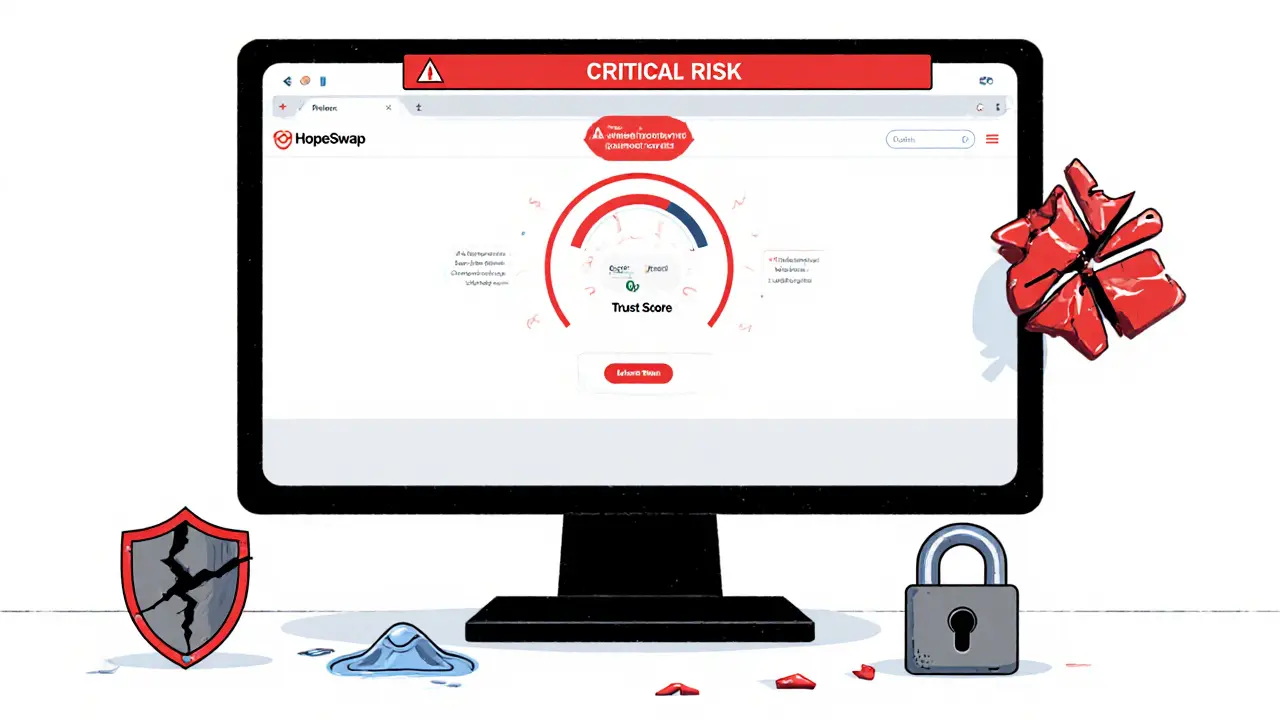
A thorough review of HopeSwap crypto exchange covering trust score, liquidity, security, and how it compares to major platforms, with clear guidance for traders.
Categories
 Finance
Archives
Recent-posts

Everything You Need to Know About the APIS Airdrop (2025)
Jun, 10 2025

What Is Manyu (MANYU) Crypto Coin? A Deep Dive into the Viral Shiba Inu Meme Token
Jan, 31 2025

Common Reporting Standard and Crypto Taxation: What You Need to Know for 2026
Apr, 19 2026
CEEX Exchange Crypto Exchange Review: Is It Legit or a Scam?
Nov, 30 2025

DeversiFi (Rhino.fi) Review: Fees, Security, and Is It Worth Using in 2026?
May, 21 2026