

Enegra Security Token: What It Is and Why It Matters in Tokenized Assets
When you hear Enegra security token, a blockchain-based digital asset that represents legal ownership in a real-world asset like real estate, equity, or revenue streams. It's not a meme coin or a speculative token—it's a security token built to comply with financial regulations. Unlike Bitcoin or Ethereum, which are open and permissionless, Enegra and similar tokens operate under rules set by agencies like the SEC or ESMA. That means they’re designed for investors who want exposure to assets like commercial property or private company shares—but through a digital, liquid format.
Security tokens like Enegra are part of a bigger shift: tokenized assets, real-world property or financial instruments converted into digital shares on a blockchain. This isn’t just theory. Companies are already using it to let people buy $100 slices of office buildings, or own a fraction of a wind farm. The tech behind it—smart contracts, immutable ledgers, and identity verification—makes transactions faster and cheaper than old-school paperwork. But it also brings new risks. Many projects claim to be security tokens but skip compliance. Others vanish after raising money. Enegra stands out because it’s built with legal frameworks in mind, not just hype.
Related concepts like blockchain securities, digital financial instruments that follow securities laws and are issued on blockchain networks, and Regulated crypto, cryptocurrencies or tokens subject to financial oversight and investor protection rules are often confused with regular tokens. But they’re not the same. You can’t just list a security token on any exchange. It needs licensing, KYC checks, and reporting. That’s why platforms like Enegra don’t pop up overnight—they take months to build and legal teams to approve. And that’s also why most airdrops or viral promotions you see for "security tokens" are scams. Real ones don’t need to be pushed on Twitter.
What you’ll find in the posts below aren’t guesses or hype. They’re real case studies—projects that tried to tokenize real assets, got flagged by regulators, or vanished without a trace. Some were honest but poorly built. Others were outright frauds. You’ll see how Enegra’s approach compares to failed tokens like CZF or LNCHM, and why compliance isn’t a buzzword—it’s the only thing that keeps investors from losing everything. If you’re curious about how real money moves on blockchain, this is where you start.
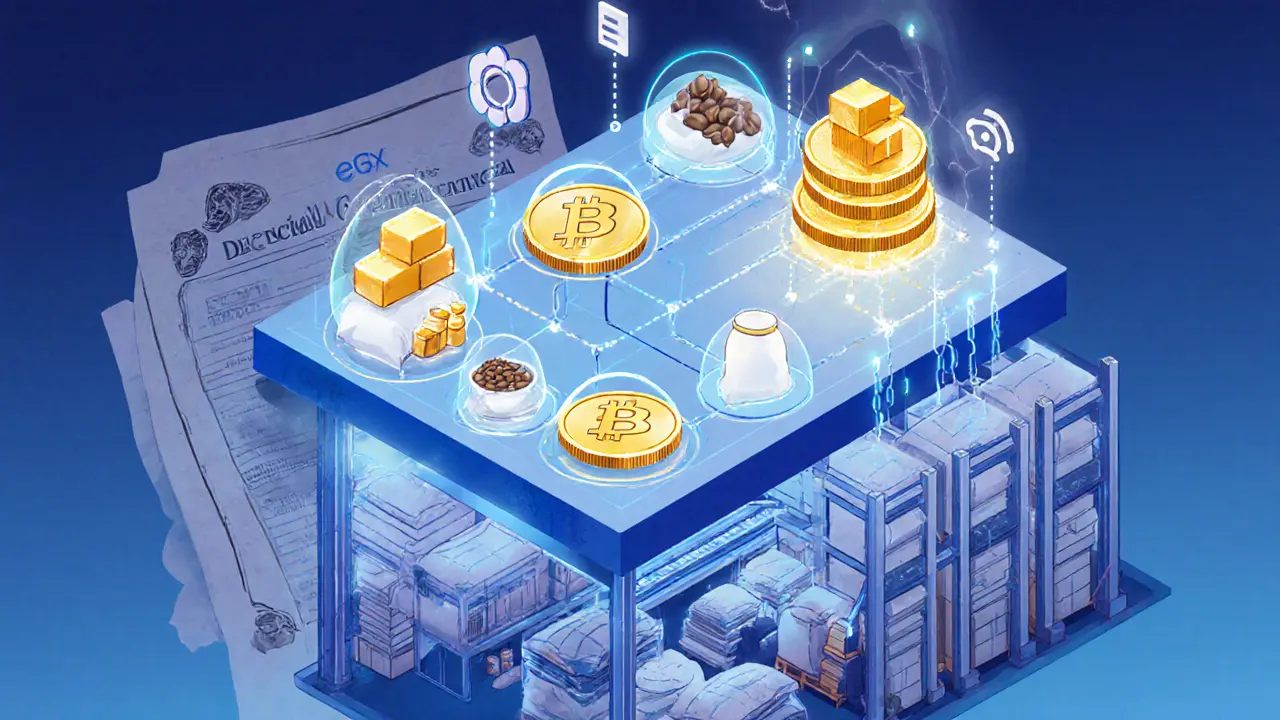
Enegra (EGX) is a security token representing ownership in a Malaysian commodity trading company, not a typical crypto coin. Learn how it works, why it's illiquid, and who it's really for.
Categories
 Finance
Archives
Recent-posts
ZERC DeRace Airdrop: Complete Guide to the zkRace Token Swap and Distribution
Jan, 18 2026
XCV Airdrop by XCarnival: What We Know and What to Expect
Dec, 20 2025
How to Trade Cryptocurrency Legally in Indonesia: 2026 Guide
Apr, 26 2026
ETHPAD's GRAND Airdrop: What We Know and How to Participate
Feb, 8 2026
Mining Crypto in Iran: Navigating Laws, Licenses, and Power Crises
Aug, 19 2026