

Crypto Tax Germany 2025: Rules, Rates, and What You Must Know
When you trade or sell crypto tax Germany 2025, the official rules set by the German Federal Central Tax Office for taxing cryptocurrency gains. Also known as cryptocurrency taxation in Germany, it determines whether you owe money on Bitcoin, Ethereum, or any other digital asset you sell, swap, or spend. Unlike the U.S., Germany doesn’t treat crypto as property for income tax in every trade. Instead, it focuses on holding time and profit type.
The key rule? If you hold crypto for more than one year, the minimum holding period to qualify for tax-free gains in Germany. Also known as private disposal period, it means you can sell without paying any tax. That’s right — no tax on Bitcoin sold after 12 months. But if you sell before that, you’re subject to income tax, up to 45%, plus church tax and solidarity surcharge if applicable. This applies whether you trade Bitcoin for Ethereum, swap crypto for euros, or buy a coffee with Dogecoin. The moment you convert crypto to fiat or another asset, it triggers a taxable event — unless you’ve held it long enough.
Another big factor is tax-free allowance, the annual threshold below which crypto profits are not taxed in Germany. Also known as Freigrenze, it’s €600 per person per year. So if you made €500 from trading Shiba Inu in 2025, you pay nothing. But if you made €800, you owe tax on the extra €200. This allowance resets every January and applies across all your crypto activity — no matter how many wallets or exchanges you use. The German tax office doesn’t care if you used Binance, Kraken, or a local peer-to-peer app. They see your total gains.
Reporting is simple but strict. You must file a tax return if you had any crypto trades in the year — even if you didn’t owe tax. Use form Anlage SO in your income tax declaration. Keep records of every transaction: buy price, sell price, date, and wallet addresses. Germany’s tax authority has access to data from major exchanges operating in Europe. If you skip reporting, you risk fines or audits. Many Germans use free tools like Koinly or CoinTracker to auto-generate the required reports.
What about staking, airdrops, or mining? Staking rewards are taxable as income when you receive them — not when you sell. Airdrops are treated the same: value at receipt equals taxable income. Mining is considered a business activity if done regularly, meaning you must register as a freelancer and pay trade tax. Most casual miners don’t hit that threshold, but if you’re running multiple rigs, you’re in business territory.
And yes — if you moved crypto to Germany from abroad, you still owe tax on gains made before relocation. Germany taxes worldwide income for residents. If you lived in the U.S. and bought Bitcoin in 2020, then moved to Berlin in 2024, any sale after 2025 triggers German tax rules. Your cost basis is the market value when you became a tax resident.
What you’ll find in the posts below are real cases, exchange reviews, and tax-relevant crypto projects that German traders actually use. From platforms like AjuBit that handle crypto-to-euro swaps to tokens like CRODEX that trigger complex tax events, these articles show what’s happening on the ground — not just theory. You’ll see how people are navigating the rules, where mistakes happen, and how to avoid paying more than you need to.
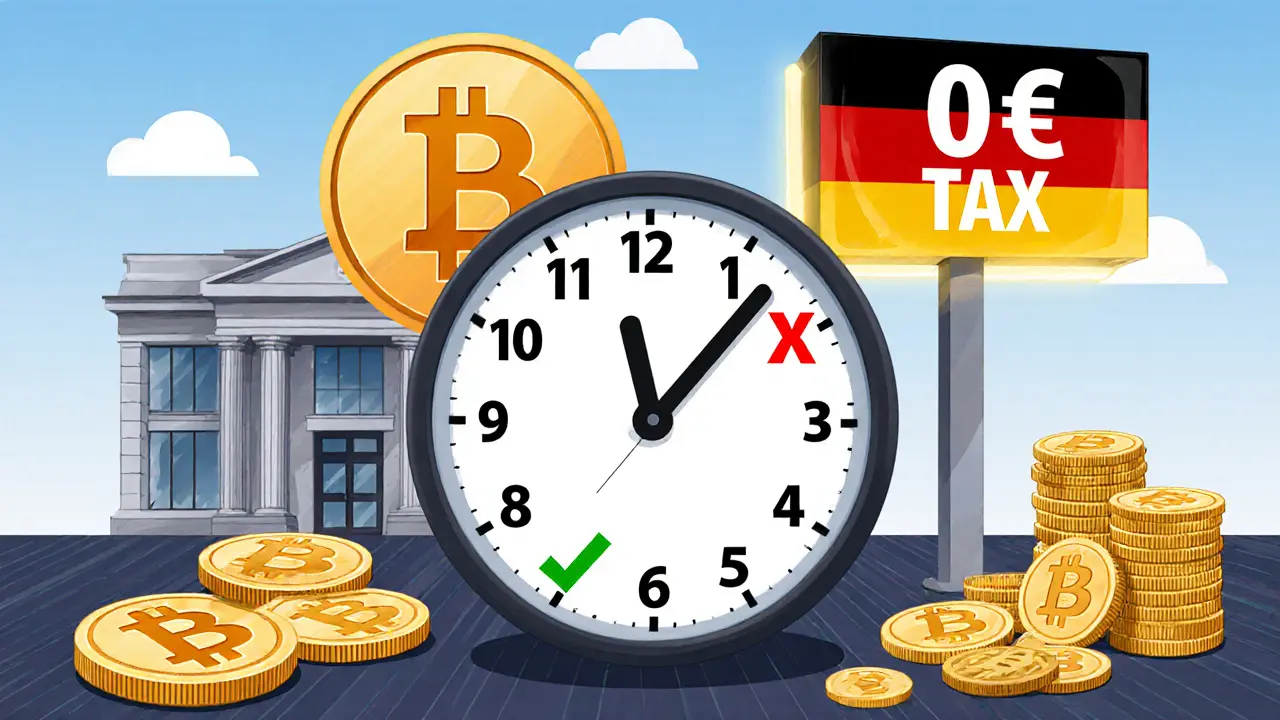
Germany offers a 12-month crypto tax exemption for Bitcoin and other digital assets, making it one of Europe’s most favorable tax environments for long-term holders. Learn how it works, who it benefits, and what risks remain.
Categories
 Finance
Archives
Recent-posts

What is Quoll Finance (QUO) Crypto Coin? A Realistic Look at the Project Today
Nov, 17 2025
MoonEdge (MOONED) Token Airdrop Details and How to Get Your Share
Jul, 14 2025
FEAR Play2Earn NFT Tickets Airdrop Explained: Details, Rewards, and Timeline
Dec, 29 2024

VERSE Airdrop Details: How VerseWar and CoinMarketCap Plan the VERSE Token Giveaway
Sep, 7 2025

LFW x CMC NFT Airdrop: How to Get Your Free NFT from Linked Finance World
Nov, 19 2025