

Blockchain Technology: How It Works, Where It's Used, and What You Need to Know
When you hear blockchain technology, a distributed digital ledger that records transactions across many computers so that any involved record cannot be altered retroactively. Also known as distributed ledger technology, it’s the invisible backbone behind Bitcoin, DeFi apps, and even fan tokens for soccer clubs. It’s not magic—it’s math, networks, and smart design working together to remove middlemen and build trust without a central authority.
This system relies on digital signature algorithms, cryptographic methods like ECDSA and Schnorr that prove ownership and authorize transactions without revealing private keys. Without them, anyone could fake a transfer. And then there’s the mempool, the temporary holding area where unconfirmed crypto transactions wait for miners or validators to pick them up. If the mempool gets crowded, fees spike. Knowing how these pieces fit helps you avoid delays, save money, and understand why some chains feel faster than others.
Blockchain isn’t just for money. It’s in NFT marketplaces, gaming tokens like WOAS, fan tokens like IBFK and YMS, and even tools that track how many people are trading on exchanges like AjuBit or OpenSwap. You’ll find posts here that break down how Wrapped Oasys bridges chains, how EpicHero rewards users with BNB, and why China’s ban on crypto doesn’t stop its digital yuan from moving forward. Some posts warn you about sketchy tokens like CRODEX. Others show you how to claim real airdrops like BRW or SHO without falling for scams.
It’s not all hype. Real people use blockchain to send money across borders without banks, to prove they own digital art, or to earn rewards just for holding a token. The tech is evolving—faster signatures, lower fees, better privacy. But the core idea stays the same: give power back to users, not corporations or governments. Whether you’re checking prices on a DEX, learning how India’s 30% tax hits your Bitcoin, or trying to understand why Malta is called a Blockchain Island, you’re seeing this tech in action.
Below, you’ll find clear, no-fluff guides on exactly what’s happening—no jargon, no spin. Just facts about how blockchain works, what’s safe, what’s risky, and where the next moves might be.
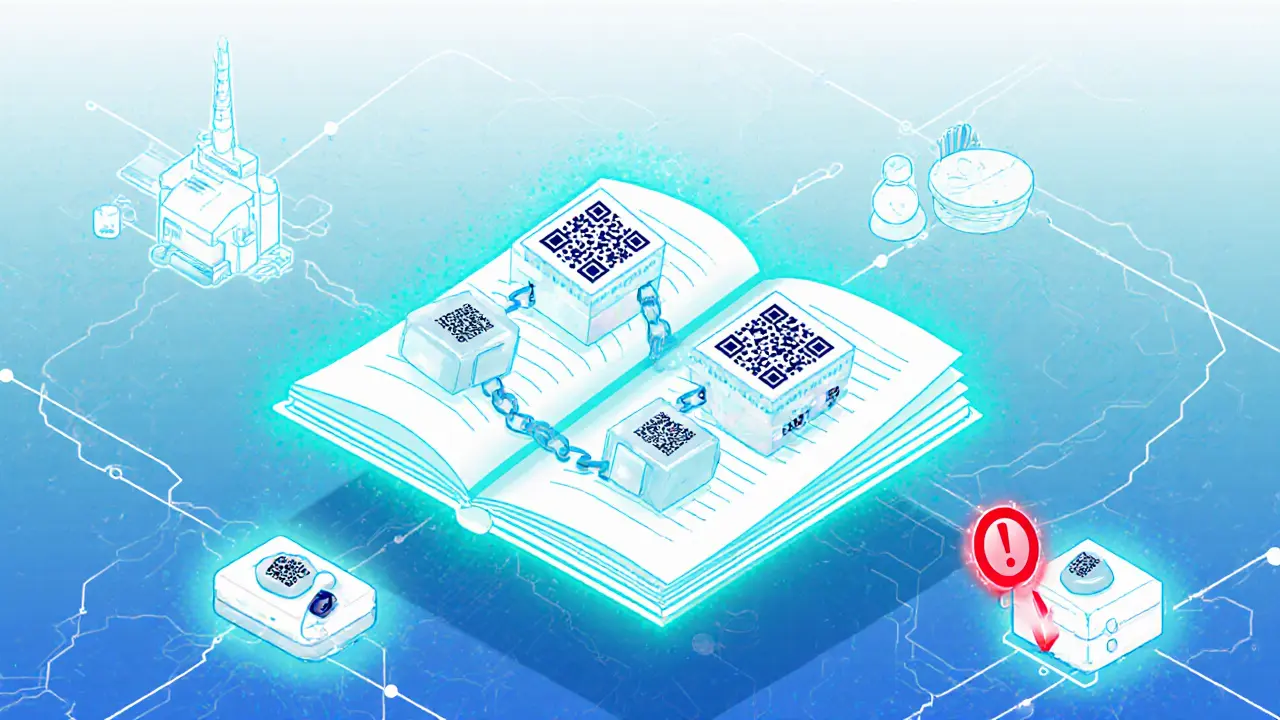
Blockchain offers trust without intermediaries but comes with slow speeds, high costs, and complex implementation. Learn where it works, where it fails, and what real companies are doing with it today.
Categories
 Finance
Archives
Recent-posts

Ju.com Crypto Exchange Review: Pros, Cons, and What You Need to Know in 2026
Feb, 4 2026

What is Launchium (LNCHM) crypto coin? The truth behind the low-cap Solana token
Oct, 30 2025
OwlDAO x CoinMarketCap Airdrop: How to Join, Rewards & Timeline
Dec, 21 2024
Privacy Technology vs Surveillance Technology Arms Race in Crypto
Feb, 11 2026

Bull Finance Airdrop Details: How to Claim Your BULL Tokens in 2025
Oct, 9 2025