
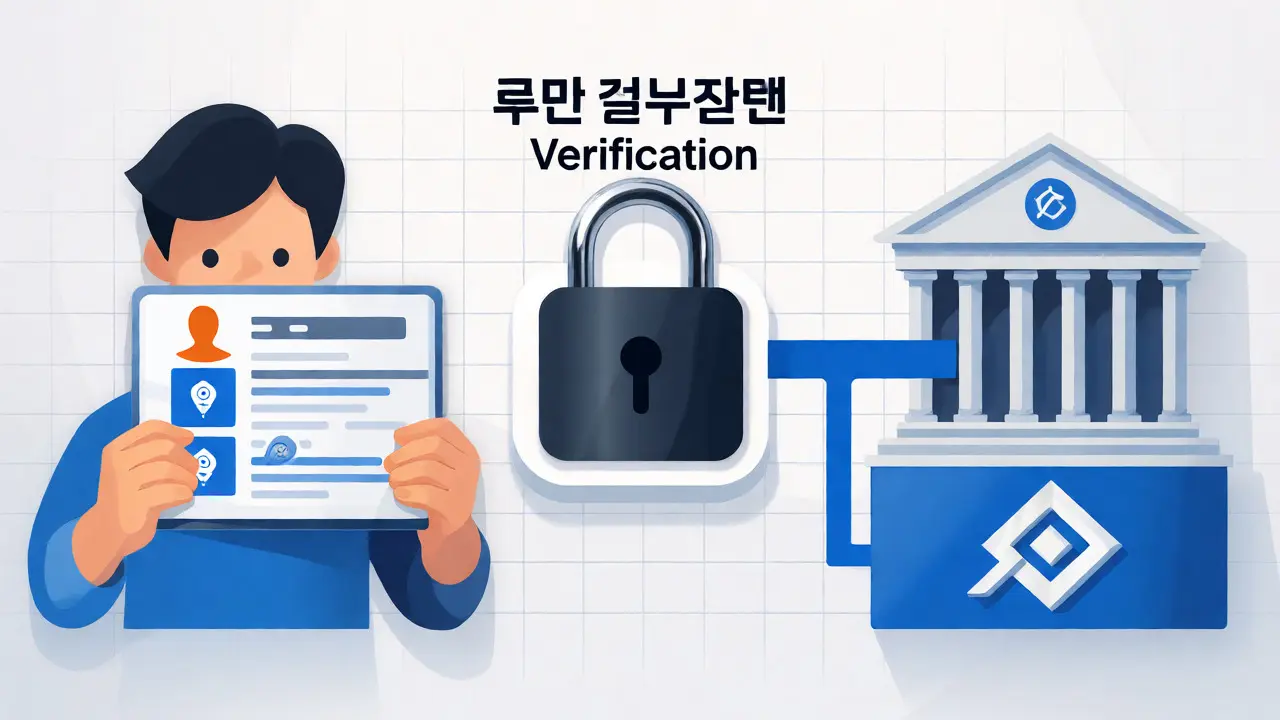
Imagine trying to buy a coffee, but the barista demands your passport, proof of address, and a direct link to your primary bank account before pouring the shot. That is essentially what it feels like to trade cryptocurrency in South Korea. The country has implemented one of the world's strictest frameworks for digital assets, mandating that every single trade be tied to a verified real-name bank account. This isn't just a bureaucratic hurdle; it is the backbone of a system designed to crush money laundering and bring order to a chaotic market.
If you are looking to enter the Korean crypto scene, whether as a local resident or an expat, understanding this linkage is non-negotiable. You cannot simply open an exchange account and start trading. Your identity must be anchored to a specific banking partner. Let’s break down exactly how this works, why it exists, and the headaches it causes for foreigners.
The Origins of the Real-Name System
Back in January 2018, South Korea nearly banned cryptocurrency entirely. Justice Minister Park Sang-ki floated the idea of a complete prohibition, sparking outrage among the public. Over 220,000 citizens signed a petition demanding the government reconsider. The result? A compromise. Instead of a ban, the Financial Services Commission (SKFSC) introduced the real-name verification system. The goal was transparency. By linking every wallet to a legal name, regulators could track flows of capital and prevent anonymous illicit activities.
This shift moved the market from a wild west environment to a highly regulated zone. Today, the Financial Intelligence Unit (FIU) acts as the gatekeeper, approving exchanges and ensuring they adhere to strict Know Your Customer (KYC) standards. It is a far cry from the pseudonymous freedom found on many international platforms.
How the Banking Partnership Model Works
Here is the critical technical detail most newcomers miss: you cannot use just any bank. Each major exchange is locked into a partnership with a specific local bank. If you want to deposit Won (KRW), your bank account must match the exchange’s partner bank. There is no cross-banking flexibility here.
| Exchange Name | Partner Bank | Status |
|---|---|---|
| Upbit | K-Bank | Fully Registered |
| Bithumb | Kookmin Bank | Fully Registered |
| Korbit | Shinhan Bank | Fully Registered |
| Coinone | Kakao Bank | Fully Registered |
Notice the pattern? If you have a Kakao Bank account, you must use Coinone. If you prefer Shinhan Bank, Korbit is your only option. This rigid structure simplifies compliance for banks, allowing them to halt transactions instantly if suspicious activity is detected by the exchange. As of April 2025, only five exchanges had secured full approval for these real-name accounts, though 28 Virtual Asset Service Providers (VASPs) have filed for registration. The bottleneck remains high.
The Foreigner’s Dilemma
If you are a South Korean citizen, this process is annoying but manageable. You go to the bank, verify your ID, get the account number, and link it. Done. But if you are a foreigner? The situation gets messy fast.
To open a qualifying bank account, you generally need more than just a passport. You typically require:
- A valid Alien Registration Card (ARC).
- Proof of long-term residency or a work visa.
- A Korean mobile phone number registered in your name.
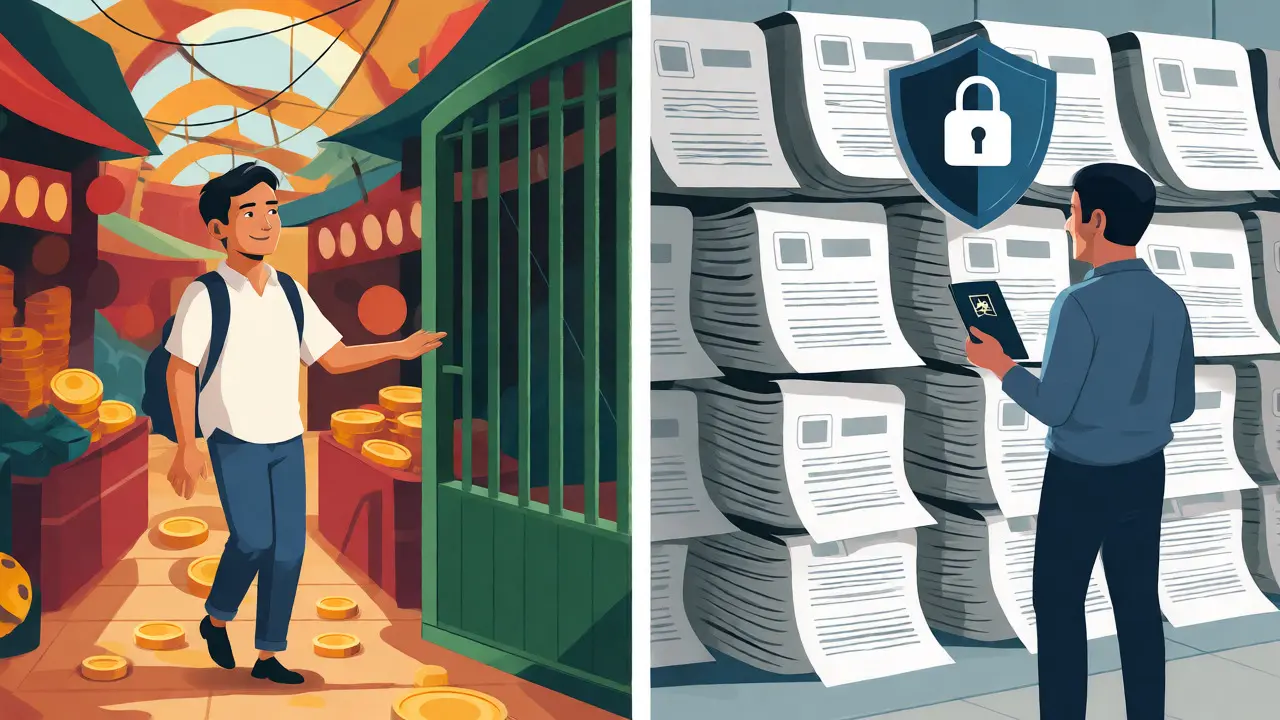
Tourists and short-term visitors are effectively locked out of the domestic spot markets. They cannot easily access KRW deposits. While some international exchanges allow global users to trade BTC or ETH against USD or USDT, they do not support KRW fiat on-ramps directly linked to the Korean banking infrastructure. This creates a two-tier system: locals enjoy deep liquidity and low fees, while foreigners struggle to find compliant entry points.
Why So Strict? The Regulatory Logic
You might wonder why Korea insists on such heavy friction. The answer lies in trust and security. In the early days, the Korean market was plagued by pump-and-dump schemes and exit scams. The real-name requirement ensures that when someone dumps a coin, authorities know exactly who did it.
Furthermore, the government is preparing for significant tax changes. Starting in 2027, individual income from crypto trading will be taxed under the amended Income Tax Act. By having every transaction tied to a real name now, the National Tax Service can seamlessly integrate crypto gains into existing tax filings later. It is about future-proofing the revenue stream. Corporations also face new rules, with foreign entities seeing their digital asset income categorized as domestic source income, subject to local taxation.
User Experience: What to Expect
For those who make it through the verification gauntlet, the actual trading experience is surprisingly smooth. Once your bank account is linked to your exchange account, deposits happen quickly-often within 30 minutes via online banking apps. Withdrawals follow the same path, bouncing back to the specific partner bank.
However, support quality varies. Major players like Upbit and Bithumb offer robust customer service, but it is overwhelmingly in Korean. English documentation exists, but navigating complex KYC disputes often requires fluency or a helpful local friend. Community resources, such as forums and news outlets, are also predominantly Korean-language, creating an information barrier for non-residents.

Market Impact and Future Outlook
Despite the barriers, the Korean market remains a powerhouse. Projections suggest over 12 million Koreans will be active in crypto by 2025. The market revenue is expected to hit $635.4 million by 2030, growing at 16.1% annually. Why? Because the strict rules actually attract institutional investors who fear regulatory blowback elsewhere.
Yet, there is a trade-off. The restrictive nature limits foreign participation. While countries like Singapore or Dubai court global crypto nomads with flexible visas and banking, Korea keeps the gates tight. This protects the local economy from volatile inflows but risks isolating the Korean exchanges from the broader global community.
Practical Steps for New Users
If you are ready to dive in, here is your checklist to avoid common pitfalls:
- Check your residency status: Do you have an ARC? If not, look into international exchanges that accept your home country’s currency instead of forcing a KRW route.
- Choose your bank first: Decide which bank you already use or prefer. Then, select the exchange partnered with that bank. Don’t pick the exchange first and hope the bank works.
- Verify your phone number: Ensure your Korean mobile number is active and registered. SMS verification is a hard stop if this fails.
- Start small: Make a tiny test deposit to confirm the linkage works before moving large sums.
- Watch for taxes: Keep records of all trades. With the 2027 tax implementation looming, good bookkeeping will save you headaches later.
The real-name system is not going away anytime soon. It is deeply embedded in Korea’s financial DNA. For locals, it is a minor inconvenience for a safer market. For foreigners, it is a wall that requires patience and proper paperwork to climb. Understanding this dynamic is the first step to successful trading in Seoul.
Can I use my credit card to buy crypto in Korea?
Generally, no. Most major Korean exchanges do not accept international credit cards for direct KRW purchases due to anti-money laundering regulations. You typically need to transfer KRW from a linked real-name bank account. Some exchanges may allow card purchases for stablecoins, but bank transfers remain the standard and cheapest method.
Do I need a permanent residency to trade crypto in Korea?
You don't necessarily need permanent residency, but you do need a valid long-term visa and an Alien Registration Card (ARC). Tourist visas usually do not qualify for opening the necessary bank accounts required for real-name verification on local exchanges.
What happens if I try to withdraw to a different bank?
Withdrawals are strictly limited to the bank account that matches your exchange's partner. For example, if you trade on Upbit, you can only withdraw to a K-Bank account. Attempting to send funds to a different bank usually results in failed transactions or manual review delays.
Is it safe to trade on Korean exchanges?
Yes, exchanges registered with the FIU and holding real-name banking partnerships are considered highly secure. They undergo rigorous audits and must maintain strict security protocols. However, always enable two-factor authentication and use strong passwords, as cyber threats exist everywhere.
When does the crypto tax law take effect in Korea?
The taxation of individual capital gains from cryptocurrency trading is scheduled to begin in 2027. Until then, individuals are not taxed on trading profits, though corporate entities face different rules. Always consult a local tax professional for current advice.
 Finance