
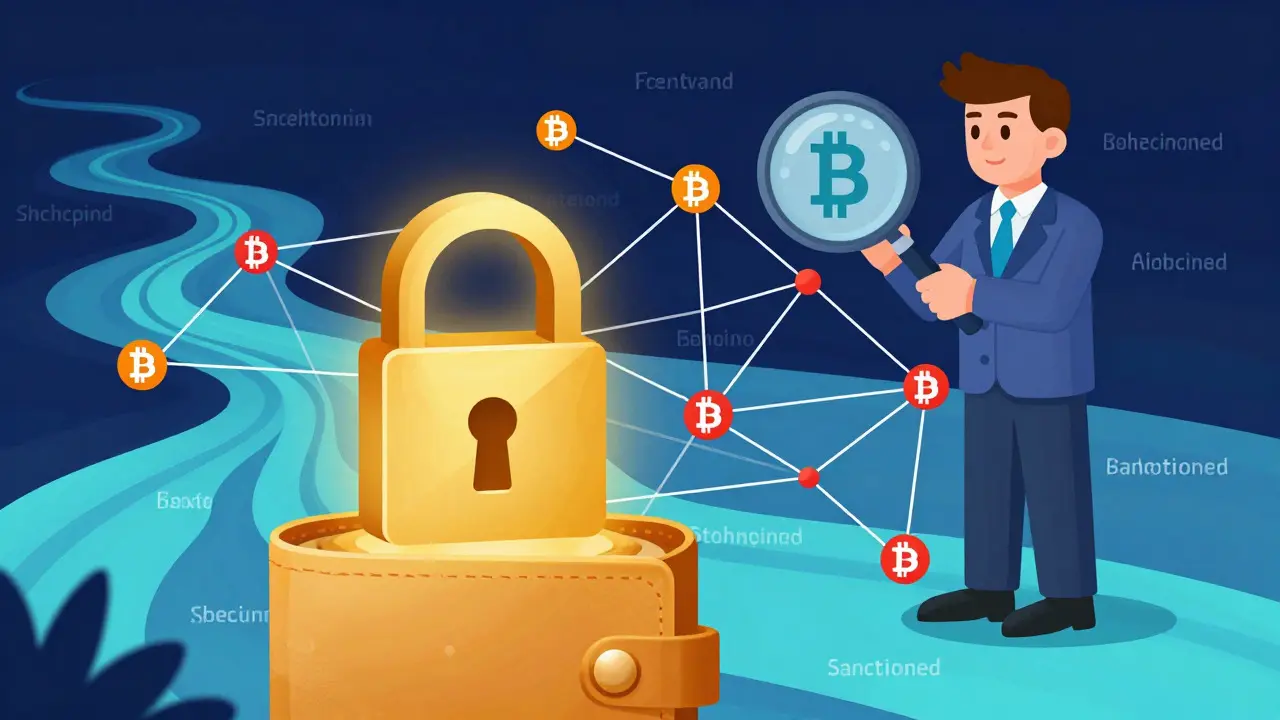
Imagine sending a stablecoin transfer that gets frozen before it even hits the recipient's wallet. That is the reality for anyone accidentally touching a sanctioned entityan individual, group, or organization barred from accessing the U.S. financial system by OFAC. The Office of Foreign Assets Control (OFAC) has moved beyond targeting just banks and corporations; now, specific cryptocurrency wallet addresses are on the radar. As of 2025, the Specially Designated Nationals (SDN) list includes over 1,200 crypto wallet addresses. For businesses, exchanges, and even careful individuals, understanding this list is no longer optional-it is a survival skill in the digital asset space.
What Is the OFAC Crypto Sanctions List?
At its core, the OFAC Sanctions Lista database maintained by the U.S. Department of Treasury to enforce economic sanctions is a tool for enforcement. It identifies who you cannot do business with without a license. In the traditional world, this means checking bank accounts and corporate registries. In the crypto world, it means scanning blockchain ledgers for specific wallet hashes. The list covers 17 different cryptocurrencies, including Bitcoin (XBT), Ethereum (ETH), Monero (XMR), and major stablecoins like USD Tether (USDT) and USD Coin (USDC). This breadth matters because sanctioned entities often move funds across multiple chains to obscure their trail.
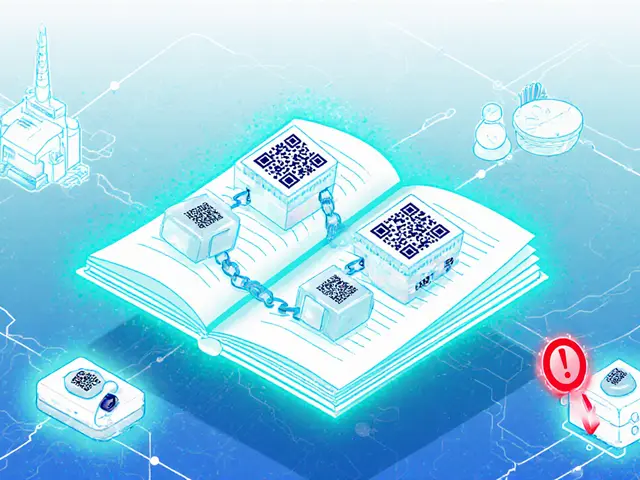
The technical backbone of this system is the SDN Listthe primary list of specially designated nationals and blocked persons, which is distributed in XML format via the sdn_advanced.xml file. Compliance teams process this data using specialized tools that convert it into formats like JSON or TXT for real-time screening. If your platform doesn't have a way to ingest this XML feed and cross-reference it against live blockchain transactions, you are flying blind. The stakes are high: missing a hit can lead to heavy fines, while false positives can freeze legitimate customer funds and damage trust.
How Wallet Screening Works in Practice
Screening a crypto address isn't as simple as searching a name in a directory. You need to trace the flow of funds. When a transaction occurs, compliance software checks the sender and receiver addresses against the current SDN list. But it goes deeper than that. Modern systems look at historical interactions. If Address A sent funds to a known sanctioned wallet six months ago, Address A might be flagged as high-risk, even if it isn't directly on the list today. This is where Blockchain Analyticsthe process of analyzing transaction data on public blockchains to identify patterns and risks becomes critical.
In March 2025, OFAC endorsed three new wallet screening technologies specifically focused on DeFi platforms. These tools help detect when sanctioned actors interact with decentralized protocols. Previously, DeFi was a gray area because there were no central intermediaries to check. Now, the expectation is that even decentralized finance participants should be aware of their exposure. The industry standard for update speed has tightened significantly. Platforms like Scorechain now aim to update their monitoring systems within 15 minutes of an OFAC release. Why so fast? Because in crypto, a window of opportunity to move funds can close in seconds. If your list is outdated by an hour, you've likely missed the illicit transfer.
| Feature | Traditional Banking | Cryptocurrency |
|---|---|---|
| Target Unit | Bank Accounts / IBANs | Wallet Addresses / Hashes |
| Update Frequency | Daily / Weekly | Real-time (15-min standard) |
| Evasion Method | New Bank Account | New Wallet / Privacy Coins |
| Traceability | Centralized Records | Immutable Public Ledger |
| Primary Risk | Institutional Liability | Pseudonymity & Cross-chain Hopping |
Key Case Studies: How Sanctions Catch Real Actors
Theory is one thing, but seeing how these rules apply to real people makes the impact clear. Take the case of Alireza Derakhshan and Arash Estaki Alivand, Iranian nationals designated in September 2025. They processed over $100 million in proceeds from Iranian oil sales using Ethereum and TRON wallets. Total inflows to their specific wallets exceeded $600 million. The OFAC designation didn't just stop them; it froze assets and made any further interaction with those specific wallet addresses illegal for U.S. persons. This shows that even if you aren't dealing with Iran directly, touching a wallet linked to oil sales can put you in hot water.
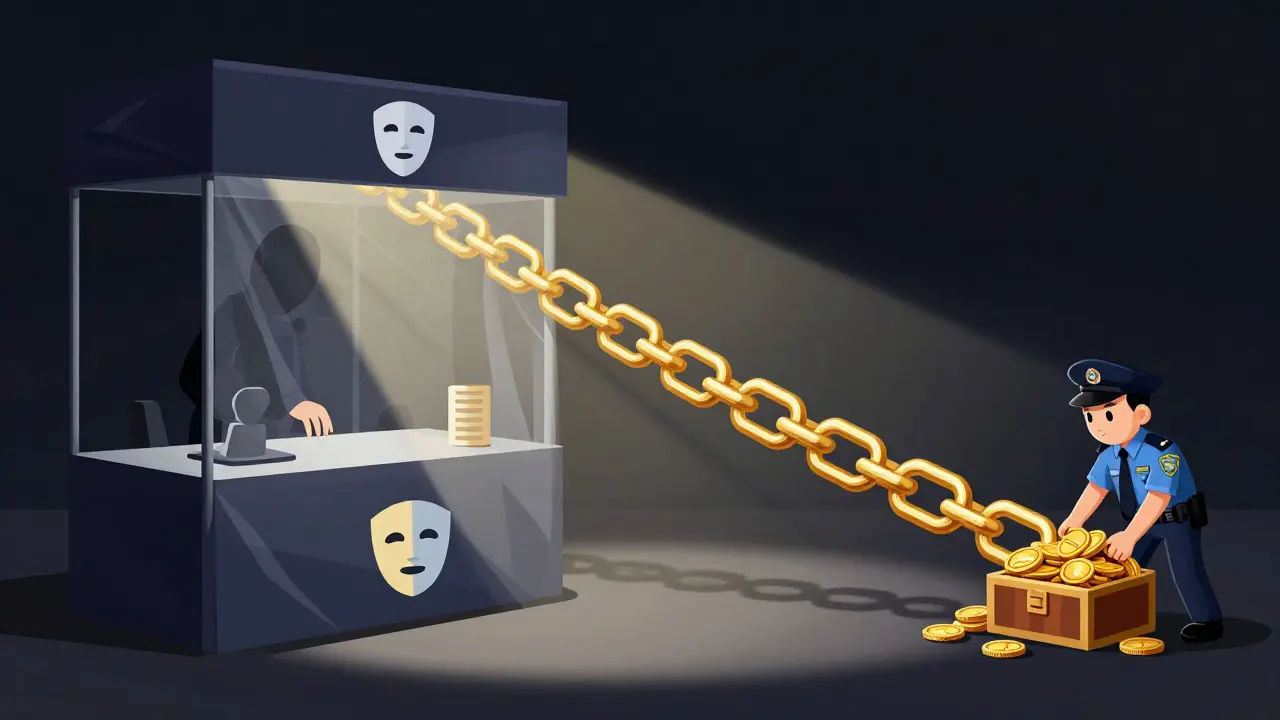
Another stark example is Garantex, a darknet exchange sanctioned for money laundering. After being hit with sanctions, they tried to continue operations through a successor called Grinex. It didn't work. In March 2025, U.S., German, and Finnish law enforcement seized over $26 million in cryptocurrency controlled by Garantex. Indictments were unsealed against executives Aleksandr Mira Serda and Aleksej Besciokov. This highlights a key lesson: changing your name or launching a new brand doesn't erase your blockchain history. The immutable ledger remembers every transaction, making it nearly impossible to truly "start fresh" once you're on the list.
Technical Challenges: Layer 2s and Privacy Coins
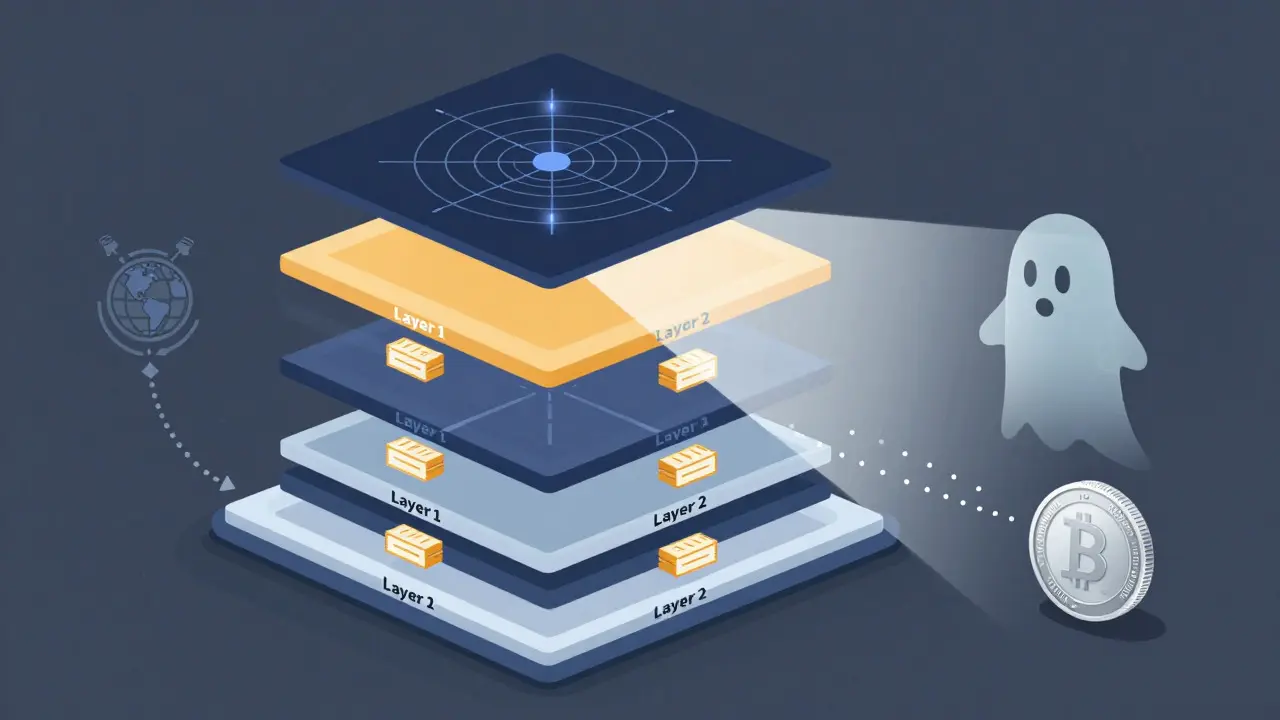
Not all blockchains are created equal when it comes to visibility. The launch of OFAC Blacklist v2.0 in May 2025 addressed a major gap: Layer 2 networks. As more users migrate to scaling solutions like Arbitrum (ARB) to save on fees, the mainnet view becomes incomplete. If a sanctioned actor moves funds from Ethereum Mainnet to an L2 rollup, older screening tools might miss the activity entirely. V2.0 integrates these networks, ensuring that the full path of funds is visible. This is crucial for compliance teams who previously assumed L2s were too fragmented to monitor effectively.
Then there is the elephant in the room: privacy coins. Monero (XMR) and ZCash (ZEC) allow users to hide the sender, receiver, and amount of a transaction. For years, this made them favorites for illicit finance. However, the permanent nature of other blockchains provides an advantage. Even if someone uses Monero, they usually have to bridge from a transparent coin like Bitcoin or USDT first. That initial step leaves a trace. Experts estimate that while privacy coins complicate enforcement, they don't make it impossible. The combination of on-chain analytics and off-chain intelligence (like Interpol and Europol raids) creates a net that is harder to escape than it looks.
Compliance Steps for Businesses and Individuals
If you run an exchange or a DeFi protocol, here is what you need to do right now. First, integrate the official OFAC XML feed into your backend. Don't rely on third-party lists that might be delayed. Second, implement multi-chain screening. Your users won't stay on Bitcoin forever; they will use Tron, BSC, and Arbitrum. Your tools must cover all 17 supported types mentioned in the current framework. Third, train your staff. A compliance officer who understands blockchain topology will catch issues that a purely legal-focused team might miss.
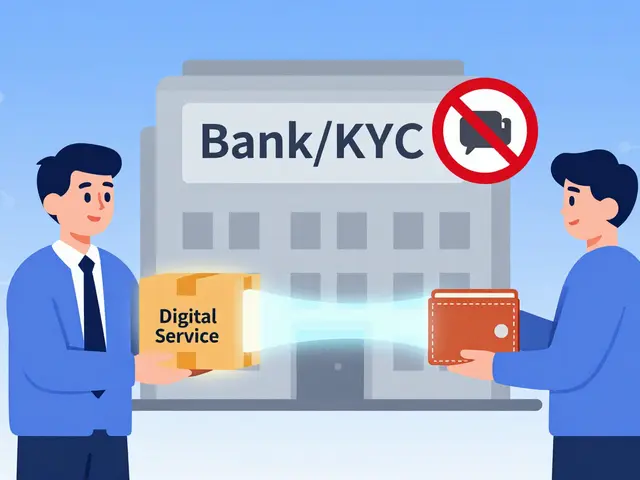
For individuals, the risk is lower but not zero. If you hold large amounts of crypto, avoid interacting with unknown wallets. Use reputable exchanges that already perform these screenings for you. If you are involved in cross-border transfers, double-check the counterparty. The joint directive released by OFAC and the Financial Action Task Force (FATF) in April 2025 signals that international standards are aligning. This means that complying with OFAC is increasingly becoming a global requirement, not just a U.S. one. Ignoring it could limit your ability to move assets internationally in the future.
Frequently Asked Questions
What happens if I send crypto to a sanctioned address?
Your funds may be frozen by the receiving exchange or protocol. If you are a U.S. person or touch the U.S. financial system, you could face civil penalties. The funds are often held pending investigation, which can take months or years. In severe cases, the assets may be confiscated by the government.
Does OFAC sanction private individuals?
Yes. While most headlines focus on countries or corporations, OFAC frequently designates specific individuals. Examples include Alireza Derakhshan and Arash Estaki Alivand. Their personal wallet addresses are listed, meaning any direct interaction with those specific wallets is restricted.
How often does the OFAC crypto list update?
The list can update at any time. There is no fixed schedule. However, compliance technology providers aim to reflect changes within 15 minutes of the official release. You should assume the list is dynamic and check for updates regularly if you manage significant assets.
Are Layer 2 networks covered by OFAC sanctions?
Yes, since the launch of OFAC Blacklist v2.0 in May 2025. This version explicitly supports monitoring on Layer 2 networks like Arbitrum. Before this, there was a gap in coverage, but now the full stack of Ethereum-based scaling solutions is included in the screening scope.
Can I use Monero to avoid sanctions?
It is difficult but not guaranteed. Most users must bridge from transparent coins to enter the Monero ecosystem. That bridging step leaves a trace on the public blockchain. Furthermore, many regulated exchanges have delisted Monero due to compliance complexity. Using privacy coins increases risk rather than eliminating it.
 Finance