
You’ve probably seen AscendEX pop up on your feed or heard a friend mention it. Maybe you’re looking for an exchange that offers more than just buying Bitcoin with a credit card. You want leverage, yield farming, and access to those obscure altcoins before they hit the big names like Coinbase. But is this platform actually safe? Or is it another ghost town where your funds disappear when you try to withdraw?
Here’s the deal: AscendEX isn’t trying to be Binance. It’s not trying to be Kraken. It’s carving out a niche for traders who know what they’re doing and want advanced tools without the massive regulatory headaches of US-based exchanges. But there are some serious red flags regarding its regulation and support structure that you need to know before you deposit a single dollar. Let’s break down exactly what you get, what you risk, and whether it fits your trading style.
What Exactly Is AscendEX?
AscendEX is a centralized cryptocurrency exchange that specializes in high-leverage trading, DeFi integration, and early access to emerging tokens. Originally launched as BitMax in 2018, it rebranded in 2021 to reflect its expanded services. The team behind it isn’t just a bunch of random coders; it’s led by George Cao and Ariel Ling, veterans from Wall Street quant trading backgrounds. That pedigree shows in the platform’s architecture-it’s built for speed and precision.
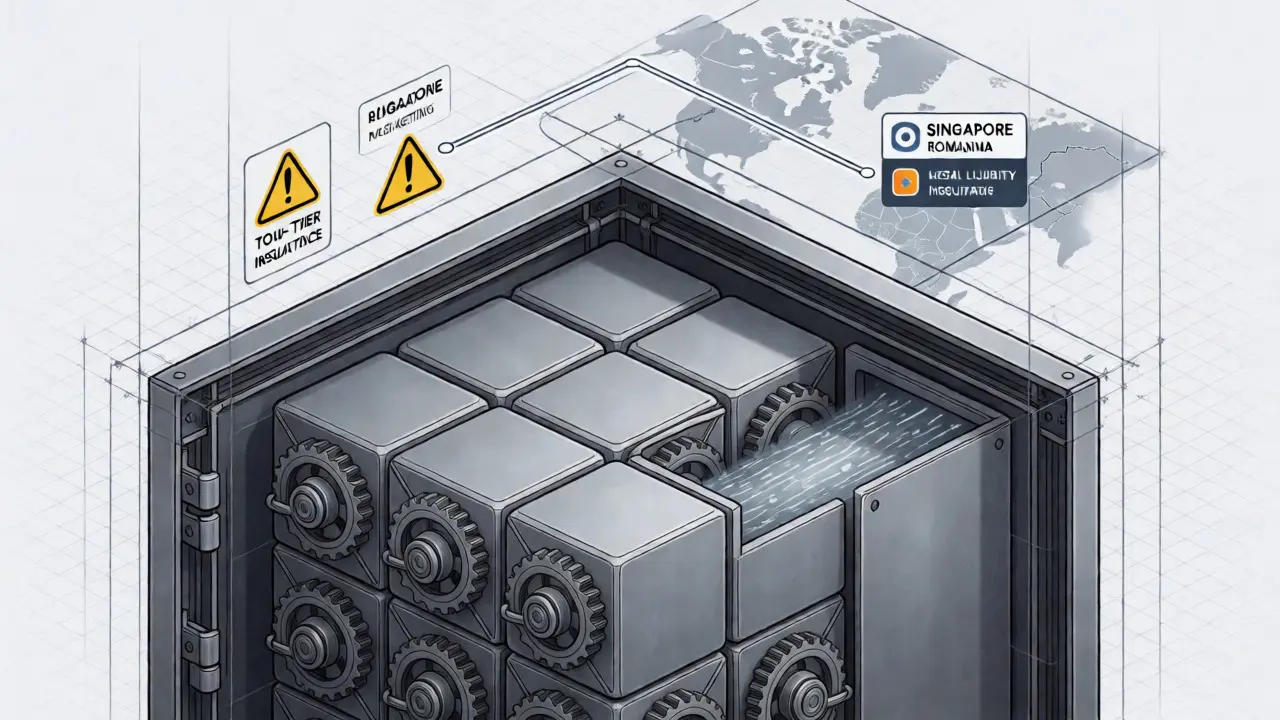
However, don’t let the "Wall Street" branding fool you into thinking it’s regulated like a traditional bank. While it markets itself with Singaporean flair, legal filings reveal its operational headquarters are in Romania. This jurisdictional shuffle matters because it means AscendEX operates in a regulatory gray area. It serves over 1 million users globally but explicitly excludes customers from the United States. If you live in the US, you can’t use this platform. Period.
Fees and Trading Costs: The Real Numbers
Money talks, so let’s look at the numbers. AscendEX charges a flat 0.10% maker and taker fee for spot trading. This is competitive, sitting right in line with mid-tier exchanges. If you’re a high-volume trader, you can lower these fees further through their VIP tiers, which require holding their native token, ASCENDX (formerly BFX).
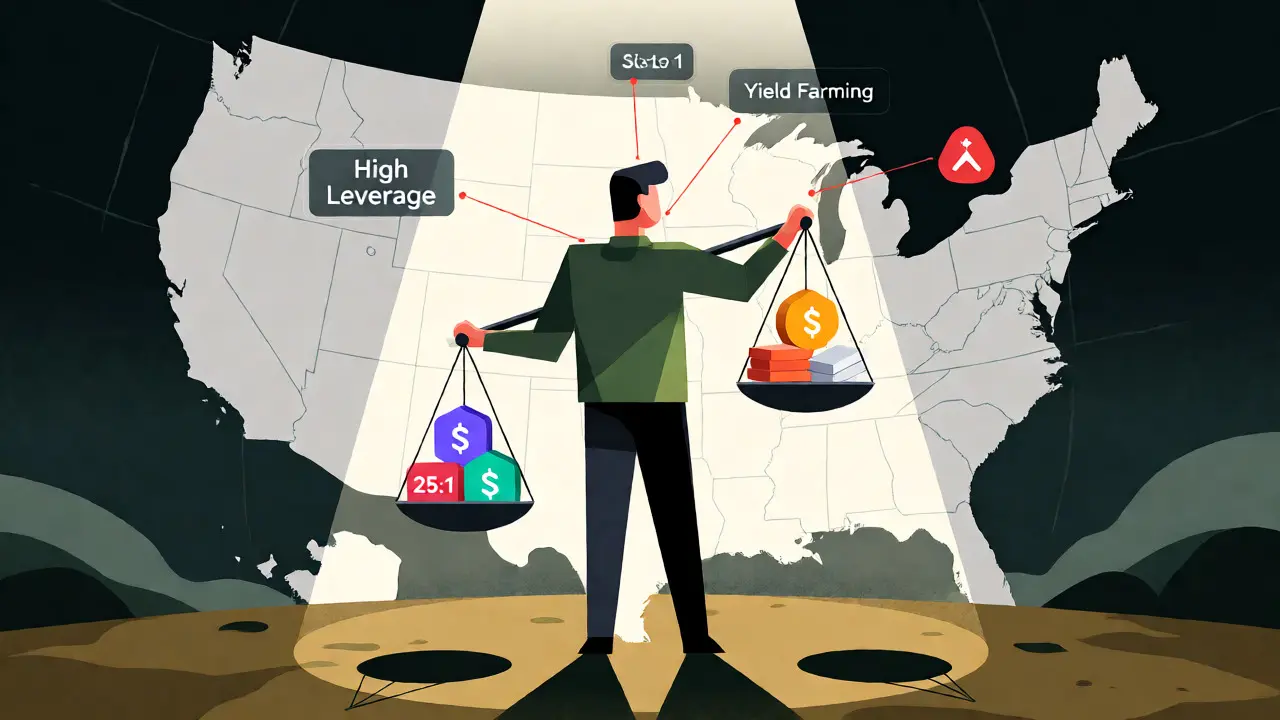
But here’s where it gets interesting for active traders. They offer margin trading with up to 25:1 leverage. Compare that to Kraken, which caps out around 5:1 for most retail users, and you see why people flock here. Higher leverage means higher potential returns, but also higher liquidation risks. Make sure you understand how interest accrues on borrowed assets before you go all-in.
| Feature | AscendEX | Binance | Kraken |
|---|---|---|---|
| Spot Maker/Taker Fee | 0.10% | 0.10% / 0.10% | 0.16% / 0.26% |
| Max Leverage | 25:1 | Up to 125:1 | 5:1 (Retail) |
| US Access | No | Limited (Binance.US) | Yes |
| DeFi Yield Options | High | Moderate | Low |
Security: Are Your Funds Actually Safe?
This is the question keeping every crypto investor awake at night. AscendEX claims to store 95% of user assets in cold storage. Cold storage means offline wallets, which are immune to online hacks. For the remaining 5% kept hot for liquidity, they employ two-factor authentication (2FA) and regular security audits.
But let’s be real: no exchange is invincible. Mt. Gox taught us that lesson the hard way. AscendEX has never suffered a major publicized hack, which is a good sign. However, the lack of clear, top-tier regulatory oversight (like FCA in the UK or SEC in the US) means there’s no government-backed insurance if things go south. If the company faces insolvency due to poor management rather than a hack, your recourse is limited. Always keep long-term holdings in a hardware wallet, not on any exchange.
The User Experience: Interface and Tools
If you’re used to the chaotic layout of some newer DEXs, AscendEX feels surprisingly clean. The interface is intuitive, even for beginners. The order book depth for altcoins is particularly strong, meaning you can buy or sell large amounts of smaller-cap tokens without moving the market price too much. This is crucial if you’re hunting for the next 10x gem before it hits mainstream radar.
They offer mobile apps for iOS and Android that mirror the desktop experience well. Users praise the fast execution speeds, especially during volatile market swings. However, the KYC (Know Your Customer) verification process can be a hurdle. Expect to upload government ID, proof of address, and complete facial recognition. Reports suggest this takes 24-48 hours. If you’re impatient, this might frustrate you, but it’s standard for centralized exchanges aiming to prevent money laundering.
Pros and Cons: A Quick Breakdown
Let’s cut through the noise. Here’s what you gain and what you lose by choosing AscendEX.
- Pros:
- Altcoin Access: Over 400 cryptocurrencies, many listed earlier than on larger exchanges.
- High Leverage: Up to 25:1 on margin pairs allows for aggressive strategies.
- Yield Farming: Integrated DeFi products let you earn interest on idle assets directly within the platform.
- Low Fees: Competitive 0.10% trading fees help preserve margins.
- Cons:
- No US Customers: Strictly prohibited for US residents.
- Support Issues: No phone support. Email response times average 8+ hours, which is slow during a crisis.
- Regulatory Ambiguity: Registered in Romania, marketed from Singapore, with no major global license.
- Withdrawal Delays: While crypto withdrawals are fast (~15 mins), fiat withdrawals can take days.
Who Should Use AscendEX?
AscendEX isn’t for everyone. It’s specifically designed for the intermediate-to-advanced trader who lives outside the US. If you’re a beginner just wanting to buy $100 of Bitcoin with a debit card, Coinbase or eToro will serve you better with simpler interfaces and better educational resources.
But if you’re a trader who wants to short the market, farm yields on stablecoins, or catch an altcoin pump before it trends on Twitter, AscendEX is a solid tool. The combination of deep liquidity for minor pairs and high leverage makes it a playground for active speculators. Just remember: with great power comes great responsibility-and higher liquidation risks.
Final Verdict: Is It Worth It?
AscendEX occupies a tricky middle ground. It’s too complex for total newbies but lacks the regulatory armor of giants like Coinbase. Yet, for non-US traders seeking variety and advanced features, it delivers exceptional value. The key is managing your risk. Don’t keep more than you can afford to lose on the platform. Treat it as a trading venue, not a savings account.
If you decide to try it, start small. Test the withdrawal process immediately after your first deposit. Verify that the KYC goes smoothly. Once you’re comfortable, you can scale up. The platform’s technology is robust, but the human element-support and regulation-is where you need to stay vigilant.
Is AscendEX available in the USA?
No, AscendEX does not accept customers from the United States. Due to strict regulatory requirements, US residents must use other exchanges like Coinbase, Kraken, or Binance.US.
How long do withdrawals take on AscendEX?
Cryptocurrency withdrawals typically process within 15 minutes, depending on network congestion. Fiat currency withdrawals via bank transfer can take 2-5 business days.
Does AscendEX require KYC verification?
Yes, full KYC verification is required for significant trading volumes and fiat transactions. This involves submitting a government-issued ID, proof of address, and completing a facial recognition check.
What is the maximum leverage offered?
AscendEX offers up to 25:1 leverage on margin trading pairs. This is significantly higher than many competitors but increases the risk of liquidation.
Is AscendEX regulated?
AscendEX operates in a regulatory gray area. While it markets itself with Singaporean ties, its legal entity is registered in Romania. It does not hold major licenses from top-tier financial regulators like the FCA or SEC.
 Finance