

Blockchain Scalability: Why It Matters and How Solutions Are Changing Crypto
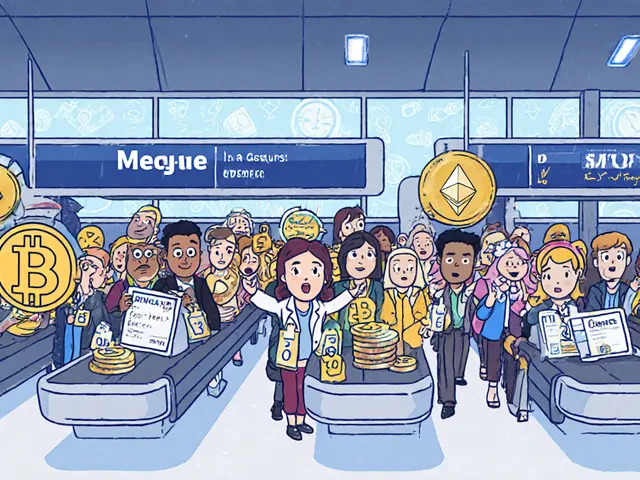
When you send Bitcoin or Ethereum, you’re not just sending money—you’re waiting in line. blockchain scalability, the ability of a blockchain network to handle growing numbers of transactions without slowing down or becoming too expensive. Also known as network throughput, it’s what separates a crypto system that feels like a modern app from one that feels like dial-up internet. Right now, most blockchains can’t keep up. Bitcoin processes about 7 transactions per second. Ethereum manages 15. Compare that to Visa, which handles 24,000. That gap isn’t just technical—it’s why you pay $50 in fees to send $100, or why your NFT mint fails because the network is jammed.
This isn’t just a problem for traders. blockchain congestion, when too many transactions pile up waiting to be confirmed hurts everyday users, DeFi apps, and even gaming platforms trying to launch on-chain. You can’t build a real-time game on a network that takes 10 minutes to process a move. And when fees spike, small investors get priced out. That’s why Layer 2 solutions, systems built on top of main blockchains to handle transactions faster and cheaper aren’t just hype—they’re the only reason crypto can scale beyond speculation. Think of them like express lanes on a highway. Instead of every car squeezing onto the main road, most ride the fast lane while the main road handles the heavy lifting.
It’s not just about speed. transaction fees, the cost users pay to get their transactions included in a block are the canary in the coal mine. When fees go up, it’s a sign the system is overloaded. And blockchain throughput, how many transactions a network can process in a given time is the real metric that matters. Projects like Polygon, Arbitrum, and Base aren’t just alternatives—they’re upgrades. They’re the reason you can now trade tokens, stake, or play a game on-chain without breaking the bank.
The posts below cut through the noise. You’ll find clear breakdowns of how mempools work under pressure, why some blockchains choke while others don’t, and how real users are saving money by switching to faster layers. No fluff. No theory without results. Just what’s working, what’s not, and what you need to know to avoid getting stuck in the next congestion crisis.
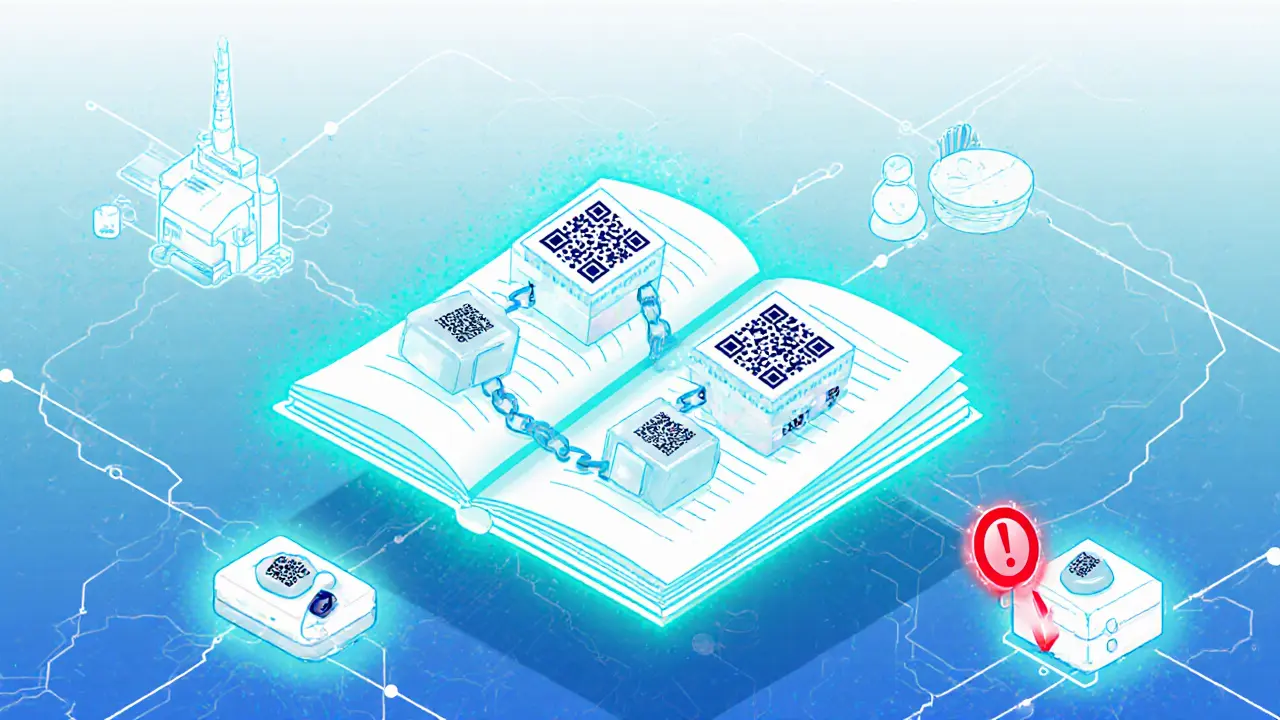
Blockchain offers trust without intermediaries but comes with slow speeds, high costs, and complex implementation. Learn where it works, where it fails, and what real companies are doing with it today.
Categories
 Finance
Archives
Recent-posts
What is CZodiac Farming Token (CZF) crypto coin? The truth behind a nearly worthless token
Nov, 11 2025
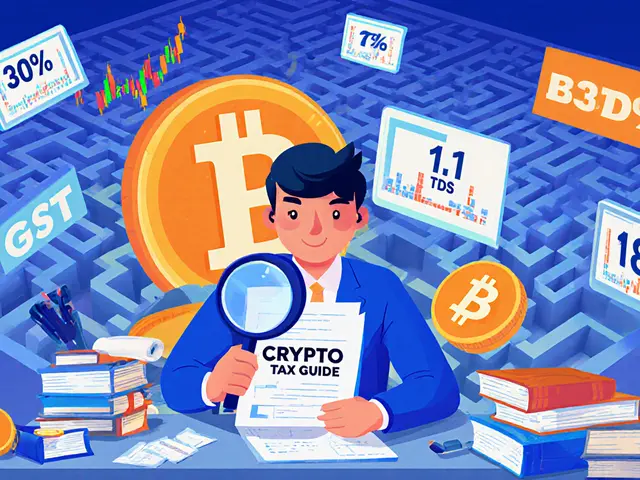
India’s 30% Crypto Tax Explained: A Bitcoin Trader’s Guide
Oct, 10 2025
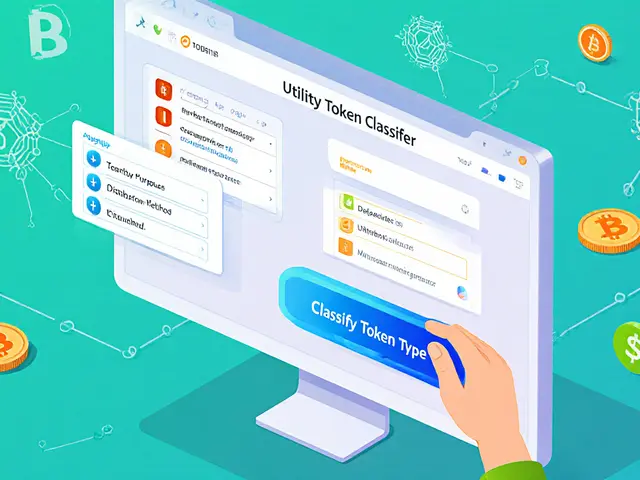
Utility Token Regulation and Compliance: A Practical Guide for 2025
May, 15 2025
Mempool Across Different Blockchains: How Transactions Wait and Why It Matters
Oct, 23 2025

Base Reward Token (BRW) Airdrop Details & Qualification Guide
Oct, 18 2025